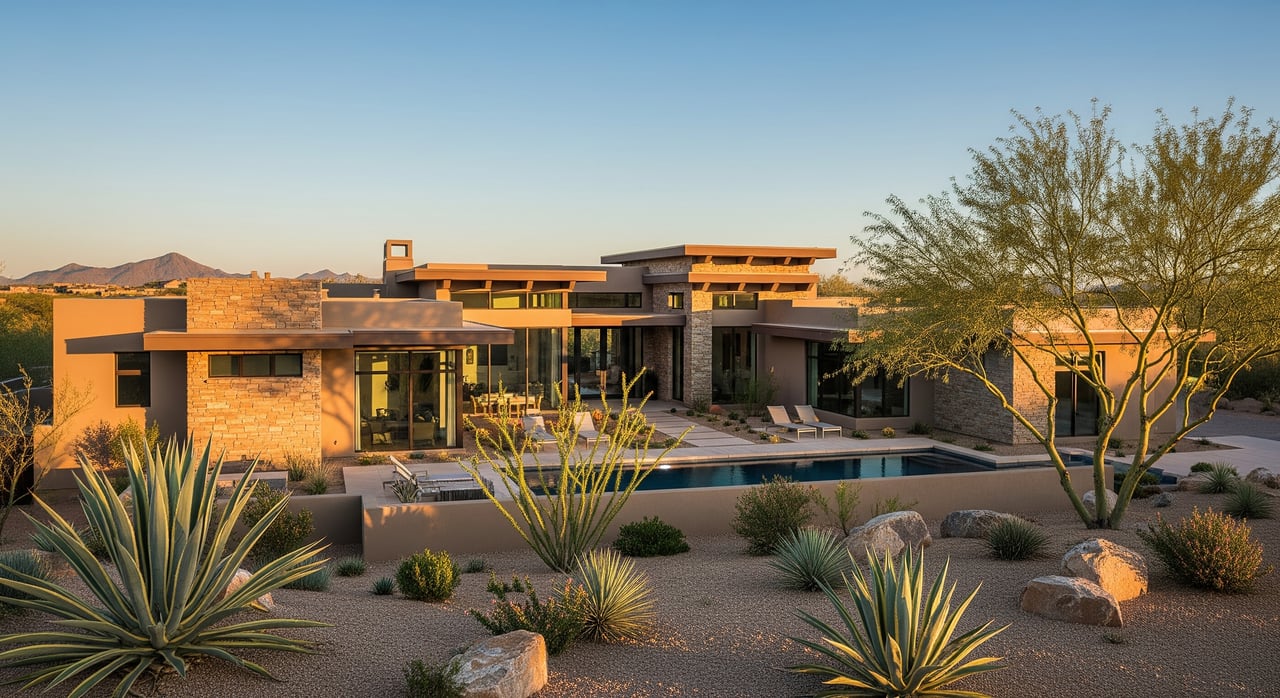
Peoria Lot Coverage Setbacks & Building Rules Explained
December 11, 2025
December 11, 2025
Planning a remodel, pool, or new build in Peoria? Before you sketch plans, you need to understand setbacks and lot coverage. These rules shape where you can build, how big you can go, and whether your project clears permitting without delays. If you are buying, they also affect future options and resale value. In this guide, you will learn what these rules mean in Peoria, how to find the exact standards for your property, and simple steps to keep your project on track. Let’s dive in.
Setbacks are the minimum required distances between your structures and the property lines. Cities define front, rear, side, and corner side setbacks. These rules protect access, fire separation, and neighborhood character.
Lot coverage is how much of your lot is covered by buildings or other surfaces, often expressed as a percentage of total lot area. It affects stormwater, drainage, and open space. Some codes count only building footprints. Others include impervious surfaces such as driveways and patios. Peoria’s exact definitions come from the city’s zoning ordinance.
Why this matters to you: these standards decide if you can add a room, build a detached garage, install a pool, or place an accessory dwelling unit without special approval.
Your property’s rules are specific. The exact measurements depend on several documents and designations. Review each one to get a complete picture.
Every parcel sits in a zoning district. The district sets baseline setbacks, building height, and lot coverage limits. Peoria’s zoning ordinance is the legal source for these standards. If your parcel is in a planned area development or master‑planned community, an overlay or PAD document may refine the rules.
Many Peoria subdivisions record Building Setback Lines on the plat. A recorded BSL can be stricter than the zoning ordinance and often controls the front yard minimum. Always compare the plat notes to the city’s zoning standards.
Utility and drainage easements are common along rear and side lot lines. You generally cannot build permanent structures in an easement even if zoning setbacks would allow it. Easements can reduce your buildable area and influence the placement of pools, sheds, and equipment.
If your property has an HOA, the CC&Rs and design guidelines may be stricter than city code. You could meet city standards but still need HOA architectural approval. Plan for both reviews if you are in an HOA community.
Past permits and approved site plans confirm how the home was built and whether any variances exist. If a previous owner expanded the home, the as‑built plan helps you see remaining room for additions within setbacks and coverage limits.
Setbacks are typically measured horizontally from the property line or from a recorded setback line on the plat to the nearest exterior wall of the structure. Confirm the measuring point before you design.
Cities often allow limited encroachments for eaves and small architectural projections, but enclosed additions usually must meet the full setback. Different projections have different rules. A covered patio roof may be treated differently than an uncovered step or a bay window.
Detached garages, workshops, sheds, and pool houses often have their own setback rules. They are usually not allowed in front yards and may have smaller side and rear setbacks than the main home. Mechanical equipment and pool equipment can have separate placement rules.
Corner lots typically have a larger street‑side setback for visibility and safety. Flag lots or irregular parcels may have special measurement rules tied to the access strip or unique lot lines. If your lot is unusual, confirm the measuring method with the city before finalizing plans.
Lot coverage defines how much of your lot can be built on or covered. Here is what commonly counts:
If Peoria’s ordinance counts impervious surfaces, you may be able to use permeable pavers for part of a driveway or patio to reduce effective coverage. If it defines coverage as building footprint only, hardscape may be treated differently. Always verify which definition applies before you design.
Most additions, pools, and new structures require permits and plan review. The city checks setbacks, coverage, and building codes during review. Minor projects may have simpler permits, but do not assume. A quick call to confirm permit requirements can save you time.
If your design cannot meet a setback or coverage limit, you can explore a variance or administrative adjustment where allowed. Variances require public notice and a demonstrated hardship. Recorded easements and plat setback lines are usually harder to change than zoning setbacks.
Building without permits or violating setbacks can lead to stop‑work orders, fines, and required removal. It also complicates resale. Lenders and title companies may require fixes before closing.
For buyers, setbacks and coverage define future options. If you want to add a garage, a room, or a pool, confirm that the lot allows it before you close. Order key documents and speak with the city to avoid surprises.
For sellers, clean permit history and documented compliance can speed your transaction. Disclose known issues or unpermitted work. If you improved the property, keep copies of permits, final inspections, and any drainage approvals.
The right plan saves you weeks of redesign and review. If you are weighing a purchase or planning a renovation in Peoria, get your documents in hand early and align your design with setbacks, coverage, and drainage expectations. If you want a second set of eyes on lot potential, resale implications, or a redevelopment path, connect with a local advisor who understands how zoning and marketing intersect.
Ready to map your options or prep a property for market? Reach out to Taylor Smart for a straightforward, lot‑level strategy tailored to your goals.
Stay up to date on the latest real estate trends.


Trust in him for expert guidance and unmatched market insight in Phoenix real estate. From high-value listings to strategic buying, he delivers drive, precision, and results—contact him to elevate your property goals.