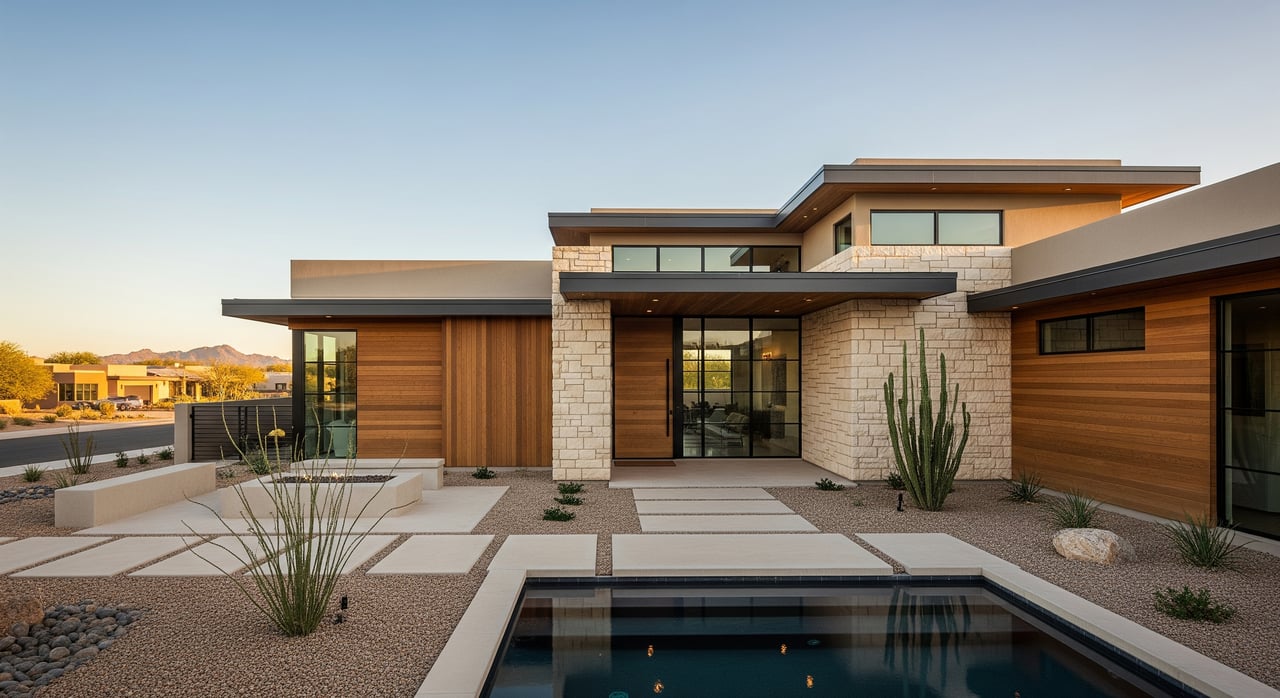
Peoria Infill Development Guide for Buyers and Sellers
January 15, 2026
January 15, 2026
Heard more talk about new homes and mixed-use projects popping up on familiar corners in Peoria? You are not alone. As the Phoenix metro grows, infill development is shaping how established neighborhoods evolve, and it can affect your daily routine and your property’s value. In this guide, you will learn what infill means in Peoria, how projects get approved, what it means for buyers and sellers, and smart steps to get ahead of the curve. Let’s dive in.
Infill development means building on vacant or underused parcels within existing neighborhoods instead of pushing the city outward. In Peoria, you will typically see:
Peoria sits inside a fast-growing Phoenix metro where job and population gains, land constraints, and affordability pressures make infill a key strategy. By building where streets, utilities, and schools already exist, the city can add homes without extending expensive new infrastructure. You may also see more walkable areas and a better mix of services over time. The trade-offs include conversations about neighborhood character, traffic, and parking.
Cities map where change is most expected through their General Plan and corridor or station-area plans. In Peoria, that guidance can highlight commercial strips, major arterials, and mixed-use nodes that are positioned for redevelopment. Future land-use maps and zoning updates often point to places suitable for added housing or mixed-use projects.
If you want to gauge the potential near your home, look at corridor plans, watch for planning notices, and talk with city planning staff about any rezonings or site plans in process. Research helps you understand both the upside and the timing of nearby activity.
Zoning determines allowed uses and density, such as single-family, multi-family, or mixed-use. Development rules set minimum lot sizes, required frontage, setbacks, height limits, parking ratios, and landscaping. Overlay districts and design review can apply in targeted corridors to shape building appearance and site layouts.
Most infill follows a sequence that looks like this:
If a project needs a rezoning or more complex approvals, it can include public hearings before the Planning and Zoning Commission and City Council. That adds steps and time, which you should factor into expectations.
Infill relies on existing streets and utility networks. Even so, a project may need off-site improvements, capacity checks, or impact fees. City engineering and utility reviews determine what upgrades are required to maintain service and safety standards.
Some cities offer targeted incentives for infill and affordable housing, such as fee reductions or expedited reviews. You can also see federal or state tools used in redevelopment, including Low-Income Housing Tax Credits, Community Development Block Grants, and HOME funds. Private financing is standard for most projects, from construction-to-permanent loans for smaller builds to bank and equity financing for larger developments. Always confirm current programs and eligibility with city economic development staff.
Buying in an infill area can mean shorter commutes and a more walkable lifestyle, with services and amenities nearby. At the same time, greater density can bring more traffic and a tighter parking environment. You want to look at both the benefits and the realities.
If you are selling near potential infill sites, you can position your home’s location as a strength. Buyers often value proximity to retail and services, and they may be curious about new amenities that reinvestment can bring.
If you are exploring a small infill project, early homework pays off. The goal is to understand requirements and timeframes before you spend heavily on plans.
Well-executed infill can increase housing choices, from ADUs to townhomes and small multi-family. It can support walkability and help activate underused sites with new services. The city can make better use of existing infrastructure, which can be more efficient per home than starting from scratch on the edge of town. In some cases, replacing blight or vacant parcels can help stabilize or lift nearby property values.
Neighbors often ask about scale, design, and how a new building fits in. Added homes can affect traffic patterns and on-street parking. Construction brings noise, staging, dust, and occasional access constraints. School capacity and municipal services can also be part of the discussion as an area grows.
Cities use context-sensitive design standards, such as height step-backs and material guidance, to shape compatible buildings. Parking minimums and shared-parking strategies help manage demand in mixed-use areas. Public outreach and neighborhood meetings allow residents to provide input on design and mitigation. Infrastructure upgrades and developer contributions are often phased to align with growth.
Timeframes vary with project size and complexity. A single-lot build or an ADU can often move from permits to completion within months. Projects that need rezoning or multiple hearings commonly take 6 to 18 months or longer, depending on reviews, infrastructure needs, and community feedback.
If you are buying or selling near an active proposal, factor in construction timing and staging windows. If you are developing, budget both time and contingency for iterative reviews and potential design adjustments.
Infill is both a planning process and a market strategy. If you are weighing a sale, seeking a builder offer, or evaluating a small development, partner with a local advisor who understands entitlement timelines, lot value under different scenarios, and how to market redevelopment potential. For high-touch listing strategy, off-market exposure, and redevelopment guidance, connect with Taylor Smart. You will get premium marketing, data-driven pricing, and boutique support designed to maximize your outcome.
Stay up to date on the latest real estate trends.



Trust in him for expert guidance and unmatched market insight in Phoenix real estate. From high-value listings to strategic buying, he delivers drive, precision, and results—contact him to elevate your property goals.