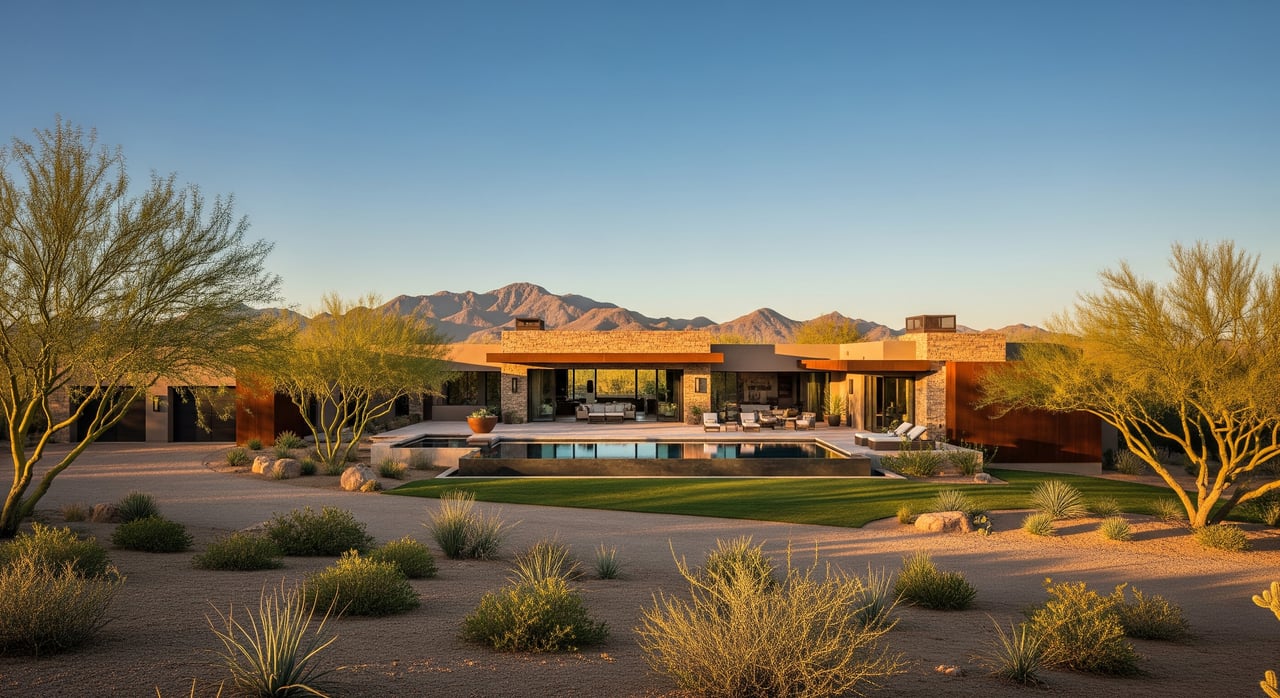
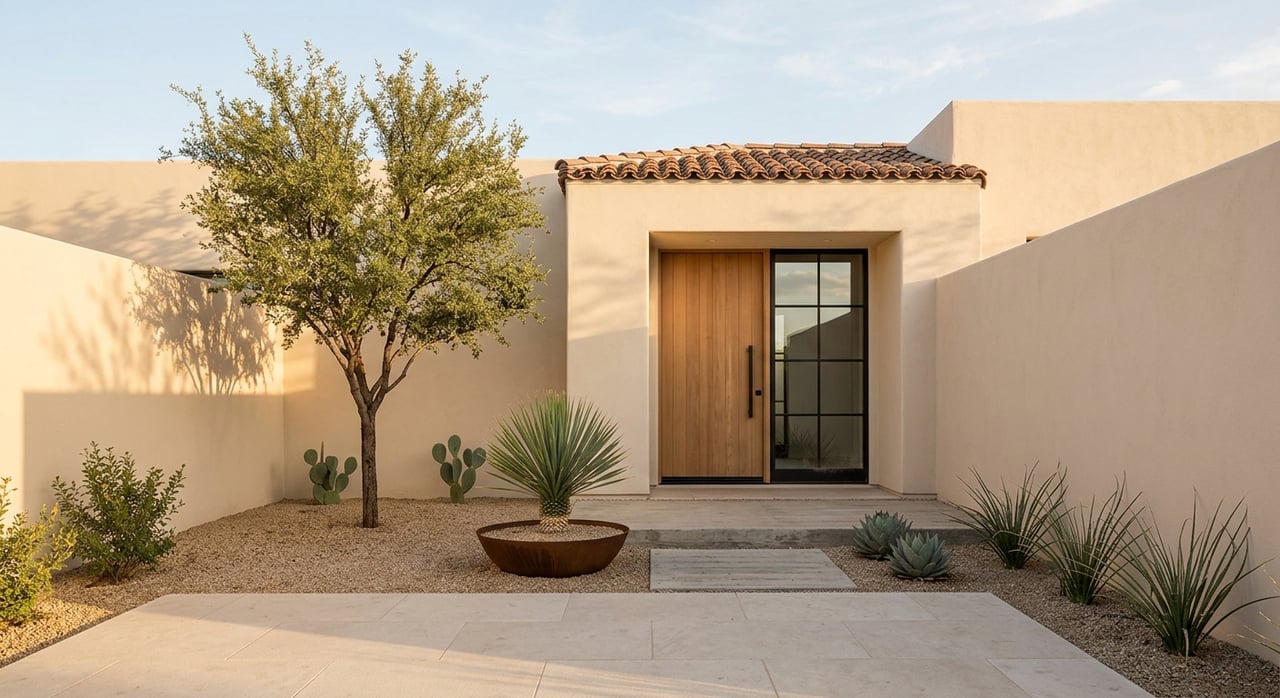
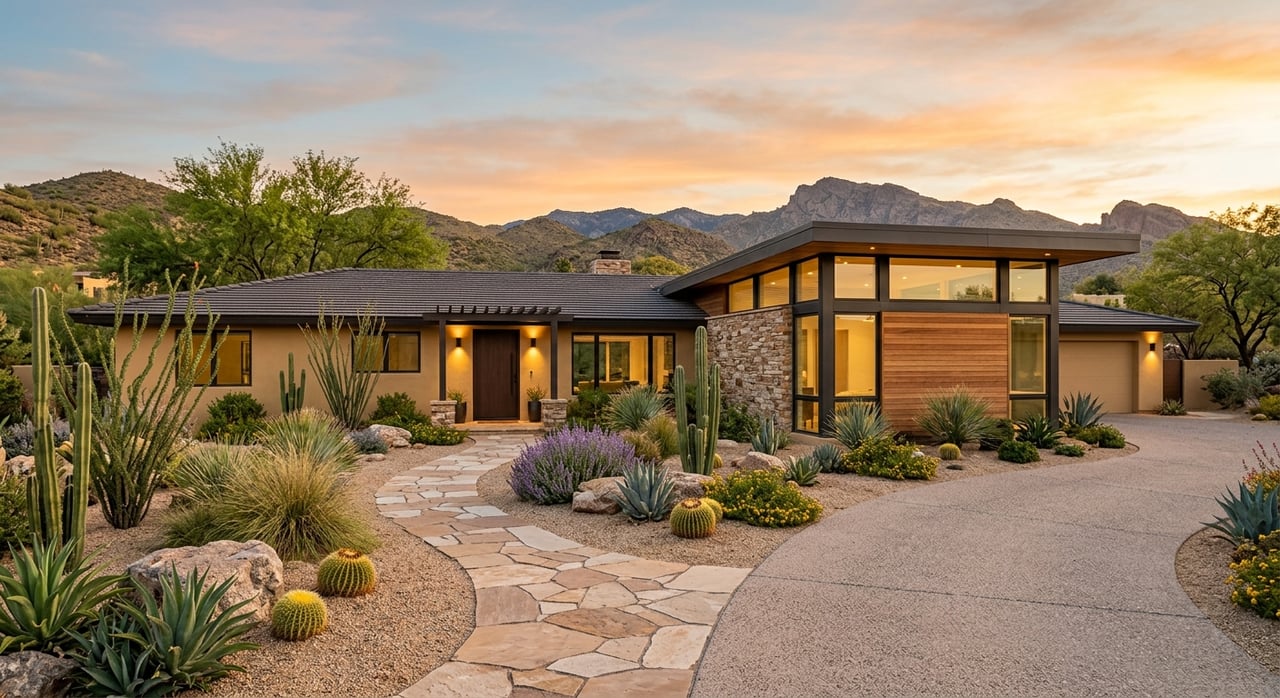
Thinking about selling your North Scottsdale home on a large lot in the next 6 to 24 months? You’re smart to plan early. In this segment, the land itself often drives value, buyer demand shifts with the season, and builders watch every signal. In this guide, you’ll learn who your likely buyers are, how land value shows up in price, which listing windows tend to perform, and the exact steps to prep your property and your data. Let’s dive in.
Define large-lot for North Scottsdale
Working definition and area
For this guide, “large-lot” means properties on 0.5 acres or more in North Scottsdale. A practical way to frame the search is to focus on zip codes commonly used for large-lot comps, such as 85255, 85262, and 85266. Always verify exact boundaries through your MLS when pulling data for your neighborhood.
Why definition matters
Buyer behavior and comps look different at 0.5 acres versus 1 acre or more. Gated golf communities, hillside estates, and unincorporated acreage each bring different HOA rules, views, infrastructure, and pricing patterns. Getting the threshold right keeps your analysis apples to apples and helps you set a realistic strategy.
Who is buying and why
Luxury and second-home buyers
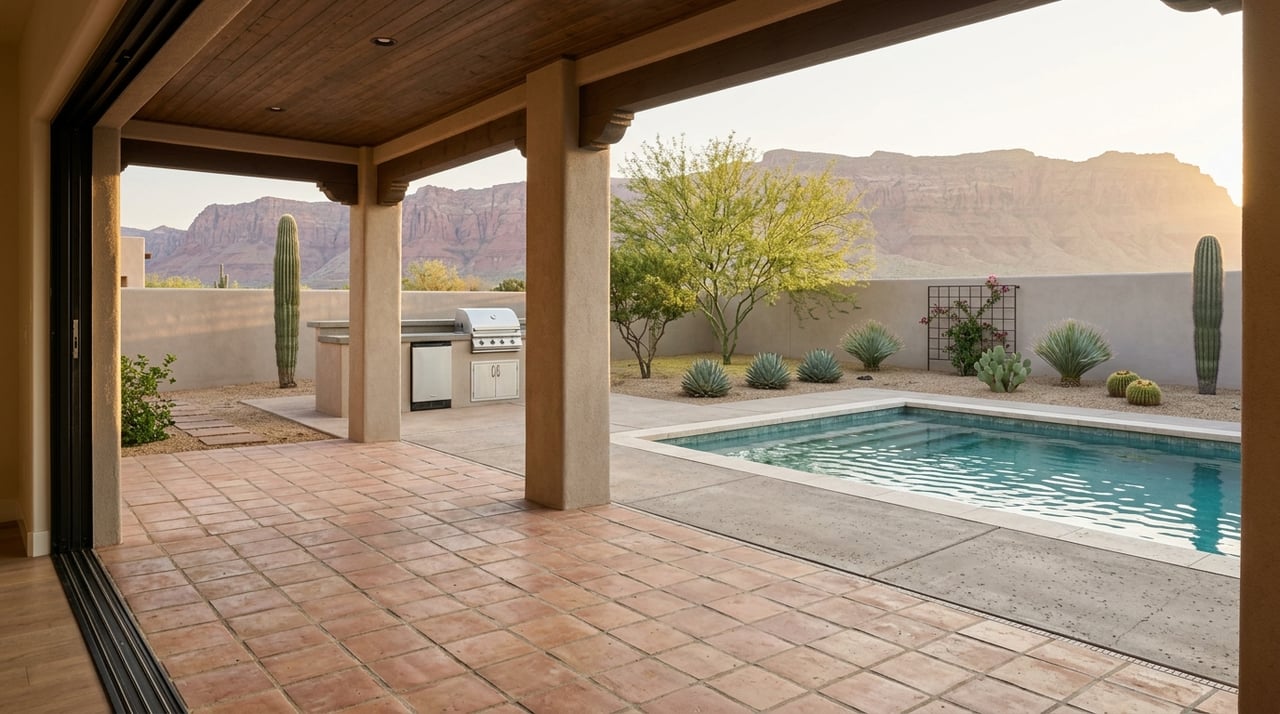
Seasonal demand is real. Scottsdale’s high season typically runs October through April. Many luxury and second-home buyers expect turnkey outdoor living, privacy, and views. If your lot delivers on orientation, landscape, and entertainment space, you can stand out when these buyers are most active.
Remote-work primary buyers
Primary-residence buyers want space for private offices, guest suites or ADUs, and room for vehicles or RVs. Larger lots with flexible layouts and accessory structures often check these boxes, which can expand your buyer pool.
Builders and investors
When land values are strong, builders and spec developers pursue tear-downs, infill rebuilds, or even lot assemblage. Their pricing is driven by land residual math, build costs, and expected resale values. They often move quickly, but they also underwrite for carrying time and profit.
Lifestyle niche buyers
Some buyers are focused on equestrian or hobby ranch needs, car collection storage, or landscape and entertaining. These niches reward usable acreage, access, and structures that are already permitted and functional.
How land value shows up in price
Lot premium vs structure value
On many large lots, the site can account for a major share of total value. View corridors, privacy, orientation, and access often explain price differences between similar homes. Two houses with comparable square footage can sell at very different prices if one sits on a hillside with protected views and the other does not.
Practical valuation methods
- Comparable vacant-lot sales. Use the nearest similar lot sales and adjust for view, orientation, utilities, and access. This data can be thin, so widen the search carefully.
- Land-residual method. Estimate the replacement cost of the house, subtract depreciation, then subtract that figure from the total sale price to isolate land value.
- Allocation method. Use paired sales of similar homes on different lot sizes to derive a reasonable land percentage.
Quick lot-value checklist
- Pull 12 to 24 months of closed comps for lots at or above your chosen threshold in the same micro-market.
- Compare improved sales on smaller lots to large-lot sales with similar homes to spot the lot premium.
- Get a local builder cost-per-square-foot estimate to support a residual analysis. Adjust for quality and features.
- Confirm utilities and access. Sewer and paved roads typically boost land value compared to septic, well, or needed off-site improvements.
- Adjust for views, orientation, easements, and any access issues.
Simple residual worksheet
- Step A: Estimate replacement cost of your improvements. Multiply size by local cost per square foot for comparable quality, then add fees and overhead.
- Step B: Estimate depreciation. Include physical wear, any functional obsolescence, and external factors.
- Step C: Approximate land value. Subtract the depreciated improvement value from the recent sale price of a similar improved property.
Validate your result against vacant-lot comps and adjust for view, utilities, and access differences.
Product mix shaping comps
Vintage ranch vs new custom
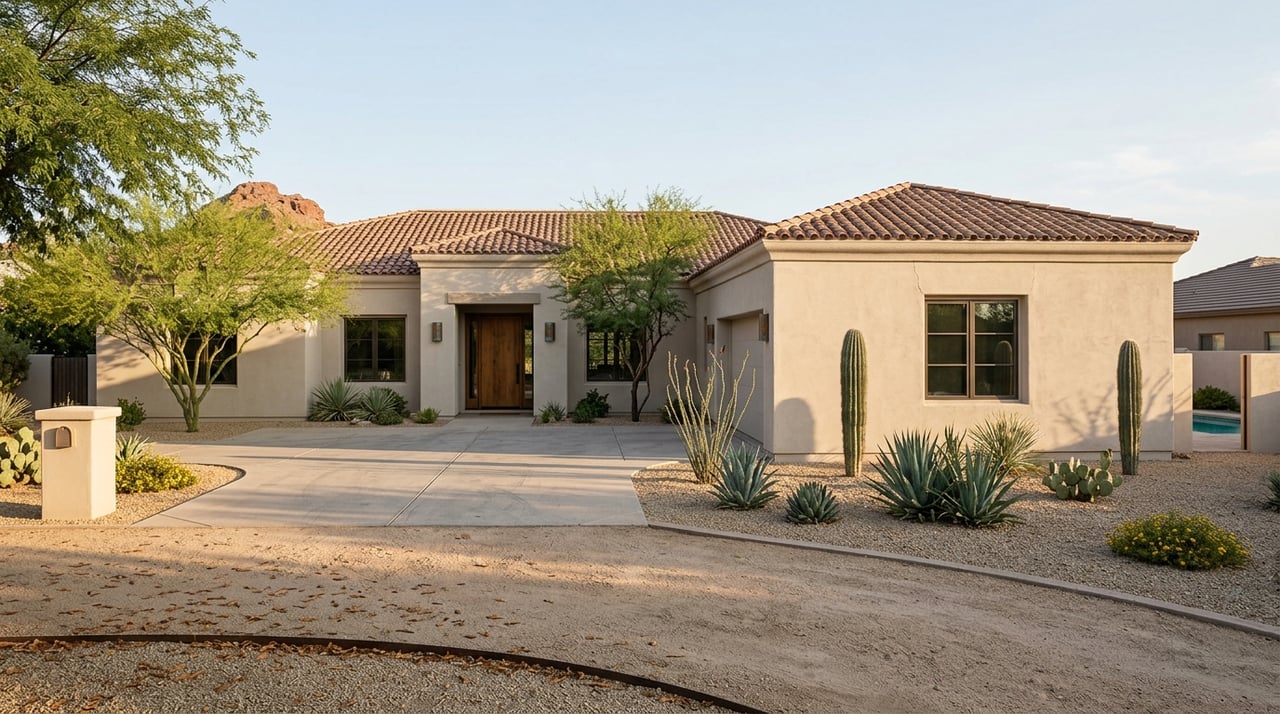
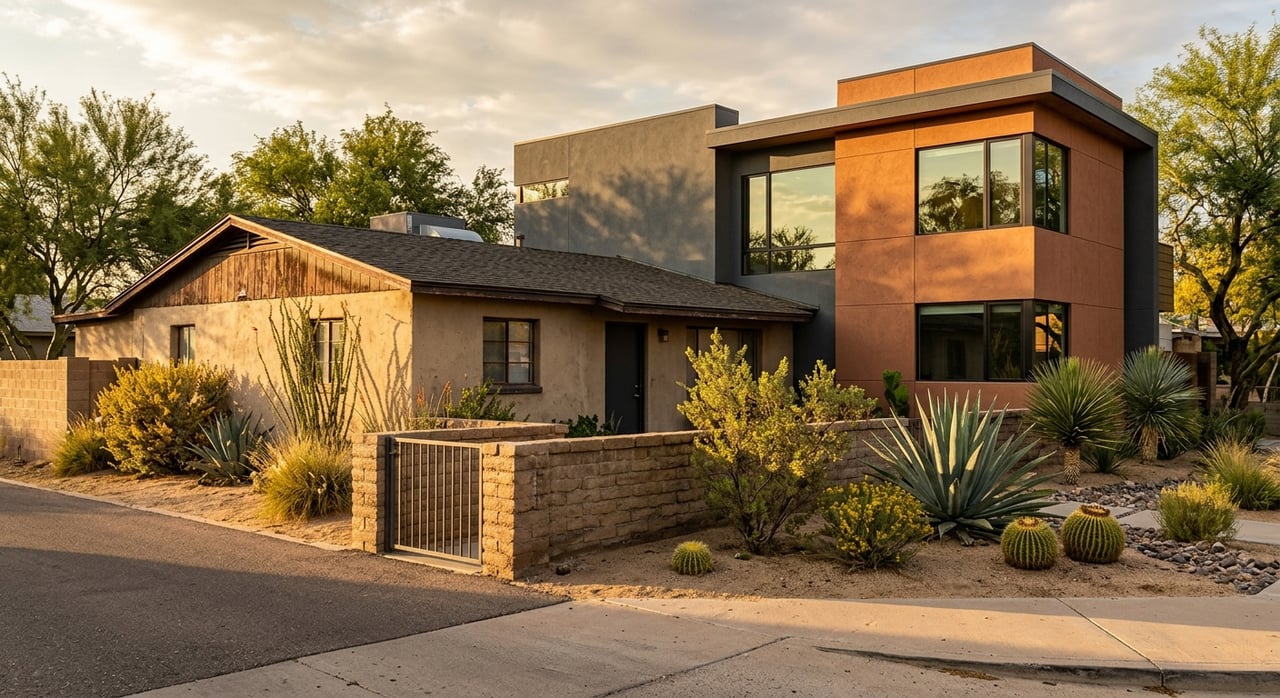
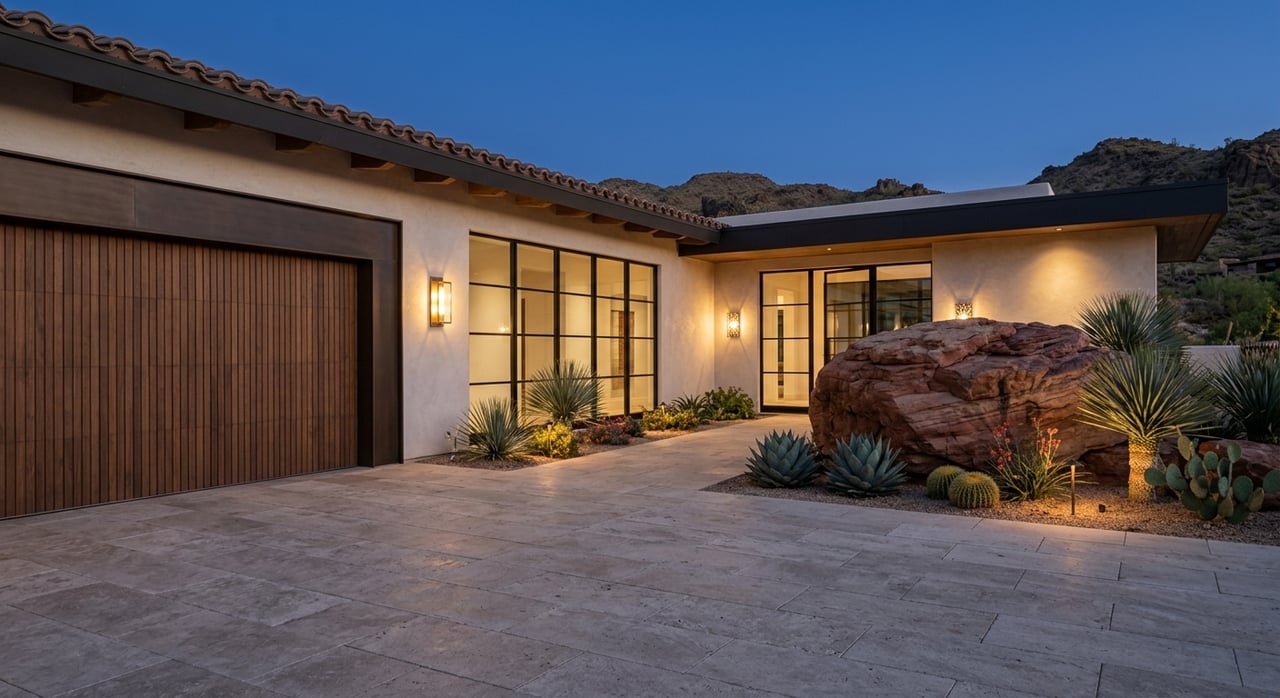
In North Scottsdale, you’ll see original or lightly updated homes from the 1970s to 1990s that sell as is, alongside full gut-renovations or complete tear-downs followed by new custom builds. New high-end construction in some enclaves has reset comparable sale prices, which can lift well-positioned large-lot values nearby.
HOA and architectural review
Many upscale communities have strict design guidelines, height limits, and material standards that impact renovation scope and redevelopment timelines. Surface your CC&Rs and architectural review schedules early. Buyers and builders alike will ask for them to assess feasibility.
Entitlements, zoning, and development basics
Zoning and setbacks
Check City of Scottsdale zoning or Maricopa County rules for unincorporated parcels to confirm minimum lot size, setback rules, site coverage limits, and any lot-split provisions. These factors directly influence what a buyer or developer can do and often affect price.
Infrastructure and access
Municipal water and sewer, utility easements, and paved road access can materially change the math. A lot served by sewer with clean access is typically valued higher than one that requires septic, new wells, or major off-site improvements.
Environmental constraints
Floodplain zones, hillside preservation, Sonoran Desert protections, and washes can reduce buildable area or add costs. Expect buyers and appraisers to consider these in their underwriting.
Timing your listing window
Favorable signals
- Low active inventory of comparable large-lot or estate-quality homes.
- Stable or rising median sold prices and strong list-to-close ratios for the large-lot segment.
- Lower or stabilizing mortgage rates that improve higher-priced buyer activity.
- Seasonal demand in fall through spring when second-home and luxury buyers are most active.
- Limited near-term competition from new-build completions in your micro-market.
Unfavorable signals
- Rising inventory of new-build luxury homes that provide turnkey alternatives.
- Construction cost spikes that push builders toward only land assemblage discounts.
- Interest rate jumps that reduce purchasing power.
- Regulatory changes that increase nearby supply, such as new lot-splitting allowances.
What to monitor and how
- Track MLS data weekly or biweekly using your lot-size filters for active, pending, and sold comps.
- Watch building permits for single-family homes and additions in your immediate area.
- Check planning commission agendas for zoning or subdivision applications.
- Ask local title and escrow teams about shifts in buyer types, such as more builder-funded deals.
Prep plan for the next 6 to 24 months
First 90 days
- Schedule a pre-listing consultation with an agent who specializes in large-lot and estate sales in North Scottsdale. Request a segmented analysis with your chosen lot threshold.
- Order a land-focused value estimate or appraisal that isolates residual land value.
- Gather site documents: CC&Rs, deed restrictions, surveys, septic or well permits, utility records, prior grading or architectural approvals.
- Get two to three builder quotes. Price a tear-down and new build, as well as targeted upgrades or renovations.
- Tackle high-impact repairs and cosmetics. Roof, pool equipment, exterior paint, and landscape clean-up can significantly improve first impressions and ease future permitting.
Months 3 to 9
- If you may redevelop before selling, confirm entitlement timelines with the city or county and your HOA. A preliminary site plan from an architect or civil engineer helps validate feasibility.
- If selling as is, elevate outdoor living areas and hardscape, then plan for professional photography and drone imagery that highlights lot orientation, privacy, and views.
- Consult your CPA on potential capital gains, primary-residence exclusions, and 1031 exchange suitability when relevant.
Hold vs sell vs redevelop
- Compare net proceeds today to projected proceeds after redevelopment. Include construction costs, carry, taxes, and time value of money.
- Builders often need discounts to support time and profit. End buyers typically pay up for turnkey outdoor living and finished interiors. Your best path depends on your timeline, tolerance for project risk, and local buyer mix.
Marketing and presentation that win
Large-lot buyers judge the land first. Your marketing should showcase orientation, view corridors, privacy, and access. Professional drone imagery, clear boundary visuals, and sunset and sunrise photography help buyers understand how the property lives across seasons. For homes with outdoor kitchens, pools, and guest spaces, highlight these as turnkey lifestyle assets. If you have architectural approvals, utility upgrades, or surveys, present them up front to reduce friction for both end buyers and developers.
A premium distribution strategy should reach high-net-worth retail buyers and builder networks at the same time. Private or off-market previews can be useful for sensitive situations or to test pricing before full launch. Strong presentation paired with targeted exposure helps compress days on market and supports stronger terms.
What to ask your agent
- Define the segment. Confirm the lot-size threshold and zip codes for your comp set.
- Provide a market snapshot. Ask for 12-month and trailing 3-month figures for median sale price, months of inventory, median days on market, and list-to-close price ratios for large-lot homes.
- Show builder activity. Include counts of tear-downs and rebuilds, new-build resales, and recent vacant-lot sales with price per acre or square foot.
- Share permit trends. Review recent building permits in your micro-market to spot near-term competition.
- Underwrite land value. Request a residual land analysis and any relevant vacant-lot comps. Validate utilities, access, HOA requirements, and environmental overlays.
If you want a tailored plan for your property and timeline, connect with Taylor Smart. You’ll get a data-driven pricing strategy, premium marketing that highlights your lot’s unique advantages, and direct access to retail buyers and builder networks.
FAQs
How do North Scottsdale buyers value land on large lots?
- Many use a combination of vacant-lot comps and a residual approach that subtracts the depreciated replacement cost of the house from the total price, then adjusts for views, utilities, and access.
When is the best season to list a large-lot home in Scottsdale?
- The fall through spring window often attracts luxury and second-home buyers. Pair seasonality with low competing inventory and stable or improving rates for the strongest results.
Should I renovate or sell as is on a large lot?
- It depends on local buyer mix and builder math. Get builder quotes for renovation and for a rebuild, then compare expected sale prices. End buyers often pay more for turnkey outdoor living, while builders price the land and carry.
What documents do buyers and builders want to see?
- CC&Rs, architectural guidelines and approvals, surveys, septic or well permits, utility details, grading history, and any entitlement or design work already completed.
How long does a teardown and new custom build typically take?
- Custom projects often require 9 to 24 months for design, permitting, and construction, depending on complexity, site conditions, and review cycles.
What signals suggest a favorable listing window for large-lot sellers?
- Low active inventory of comparable estates, firming prices and list-to-close ratios, stabilizing or falling rates, and limited new-build completions nearby.