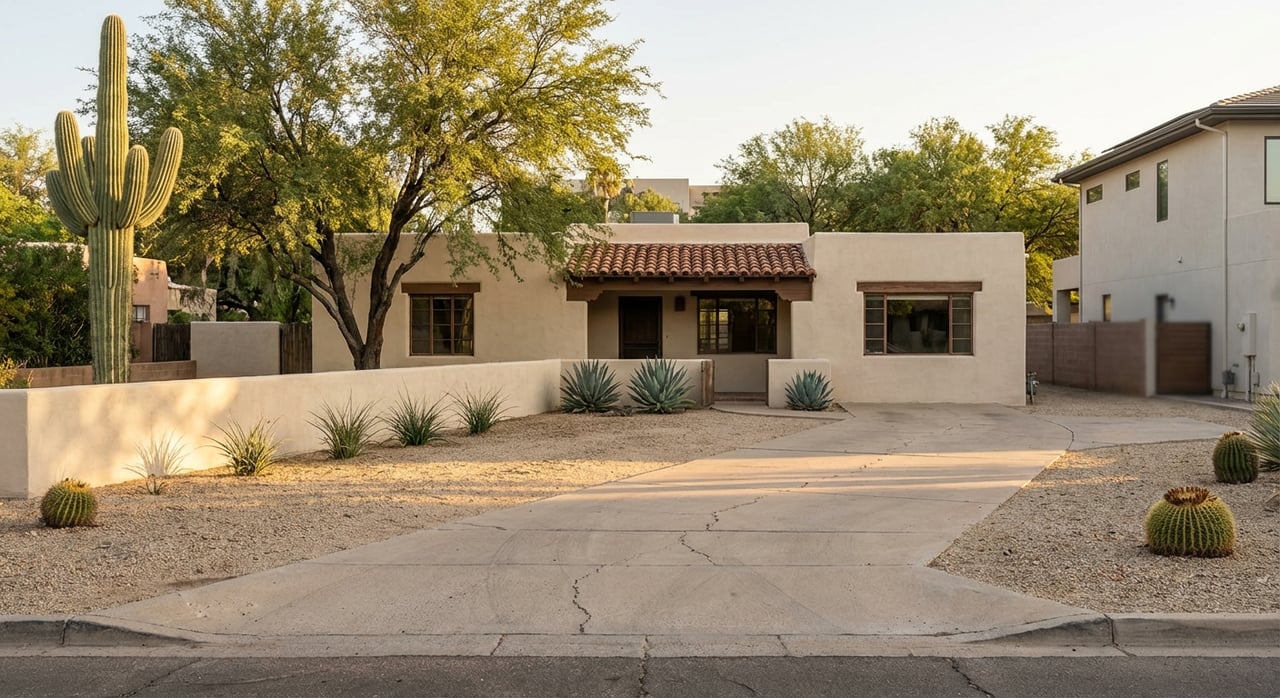
How to Evaluate North Scottsdale Redevelopment Potential
February 26, 2026
February 26, 2026
What if the real value of your North Scottsdale property is not the house you see, but the buildable ground beneath it? If you own or want to buy an older home on a large lot, you may be sitting on a strong teardown or lot‑split opportunity. In this guide, you’ll learn how to spot the on‑the‑ground and map‑based signals that point to redevelopment potential, plus the city rules that can shrink or shape what you can build. Let’s dive in.
North Scottsdale has many larger, legacy lots and older ranch homes that no longer match today’s demand for open plans and indoor‑outdoor living. At the same time, city overlays protect the desert and hillsides, which can limit where and how big you can build. The result is simple: some parcels are perfect for a new custom home, while others look big on paper but have a much smaller usable footprint once rules apply.
Two policies matter most: the city’s Environmentally Sensitive Lands Overlay and NAOS requirements and, in some areas, the Foothills Overlay. These shape grading, placement, and design. Understanding them early will save time and money.
Use this simple first pass when you tour a block or scroll listings:
Run these steps in order to avoid paying for studies before a parcel proves feasible.
Verify jurisdiction. Confirm whether the property is in the City of Scottsdale, nearby municipalities, or the county. Start with Scottsdale Planning & Development Records. Different agencies have different sewer, water, and lot‑split rules.
Pull parcel history and overlays. Look up prior cases, recorded NAOS easements, and any design review or variances. Use the city’s records portal above and the interactive maps to view ESL landforms, protected peaks and ridges, and permit activity.
Order survey and topo. A boundary survey plus spot‑elevation topo is essential to define construction envelopes, washes, and boulder fields. If the usable bench is too small, stop and reassess.
Confirm utilities early. Check water and sewer availability and request written will‑serve letters from providers. See the city’s codes and ordinances page for current water, sewer, and fee updates. If sewer is unavailable, plan for septic feasibility.
Review title and HOA rules. Look for recorded NAOS, utility, or roadway easements and any HOA design controls that govern teardowns or architectural review.
Scan neighborhood momentum. On the Building Permits — Active & Finaled map, check for single‑family permits issued in the past 3–6 months nearby. Clusters of activity often indicate a market for new homes at that price point.
Get two construction ranges. Obtain independent estimates for a full renovation and for a new build with demo, site work, NAOS mitigation, and utility work. If renovation costs approach new construction, you may be in teardown territory.
Thinking lot split. Engage a civil or land‑use engineer early to confirm frontage, access, widths, and infrastructure. Local practice and ESL rules are frequent limiters. This overview on lot split basics for Scottsdale acreage owners outlines common hurdles.
If risk is high, pre‑app. When overlays, hillside, or design review are likely, schedule a pre‑application meeting with Planning for early feedback. This can save months.
Confirm demo logistics. Ask about demolition permit timing and whether revegetation or NAOS restoration plans apply after demo.
It is common to see “1‑acre” advertised lots that feel wide open, only to learn later that washes, native boulder areas, or prior easements reduce where a new home can sit. Under the ESL and NAOS rules, the city maps a required natural open space area and a construction envelope during review. That envelope, plus standard setbacks and any hillside protections, defines your true buildable pad. This is why a survey, topo, and city overlay review come first.
For a deeper homeowner primer, see Taylor Smart’s NAOS guide for North Scottsdale lots.
Underlying zoning sets minimum lot size, widths, setbacks, and coverage. Overlays then add requirements that protect the desert, views, and rural character. If you are north and east, the Foothills Overlay and the Desert Foothills Character Area Plan help explain why walls, accessory structures, and grading get extra scrutiny. A base zone that supports your target house size with fewer overlay constraints is usually the fastest path.
Ministerial, by‑right house permits with existing utilities can move in months once plans are ready. Projects that need variances, map changes, hillside or ESL review, design review, or multiple hearings often add several months to a year. Build your calendar and offers around that spread.
Ready to evaluate a specific property or position your large lot for the highest and best outcome? Pair these checks with local builder input and a targeted marketing plan that reaches both retail buyers and builder networks. If you want a fast, tactical read on your options, connect with Taylor Smart to review overlays, momentum on your block, and a go‑to‑market plan. Get Your Free Home Valuation.
Stay up to date on the latest real estate trends.
Trust in him for expert guidance and unmatched market insight in Phoenix real estate. From high-value listings to strategic buying, he delivers drive, precision, and results—contact him to elevate your property goals.