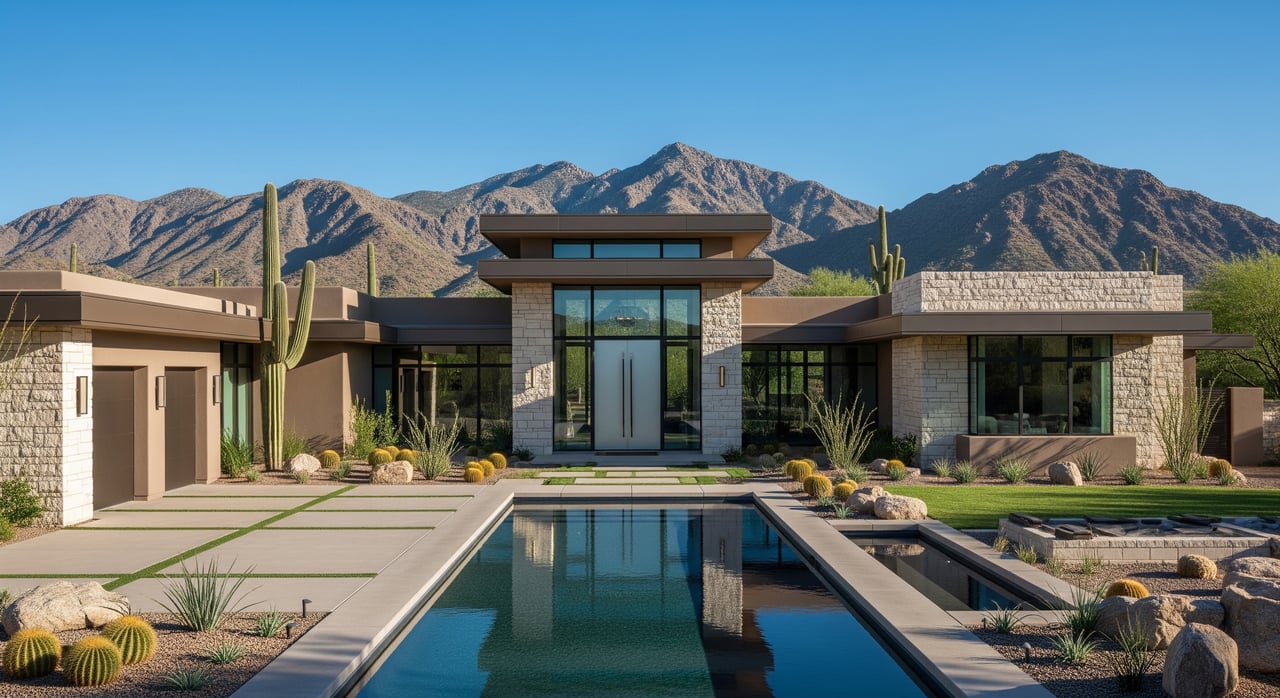
Inside The Cactus And Shea Luxury Corridor
February 5, 2026
February 5, 2026
Are you weighing a move or sale in North Scottsdale and wondering why the Cactus and Shea corridors command so much attention? You want space, privacy, and a lifestyle that blends club culture with desert views, and you want a clear picture of value. In this guide, you’ll see how the area grew into a luxury pocket, what makes properties stand out, and how to navigate the market as a buyer or seller. Let’s dive in.
The Cactus and Shea corridors sit north of Shea Boulevard and generally east of Loop 101. Cactus Road runs several miles north of Shea and parallels it through North Scottsdale. The area offers low-density neighborhoods, privacy, and quick access to major routes like Loop 101, Scottsdale Road, and Pima Road.
You get seclusion without feeling remote. Retail, dining, and services in nearby hubs such as Kierland, Scottsdale Quarter, and the Airpark are a short drive, and you can reach Old Town or Phoenix employment centers by car. Many streets are gated or private, and outdoor living is central to daily life.
Over the past three decades, North Scottsdale shifted from desert parcels and ranch land into master-planned and gated luxury communities. Development accelerated in the 1990s through the 2010s as private clubs and high-amenity neighborhoods took shape. Larger tracts made it possible to plan for bigger lots, view corridors, and resort-style amenities.
City planning and hillside ordinances encouraged lower-density building in the McDowell foothills. That guidance, combined with the presence of the McDowell Sonoran Preserve, concentrated homes near preserved open space and protected natural features. The result is a collection of communities designed for privacy, views, and a high standard of neighborhood presentation.
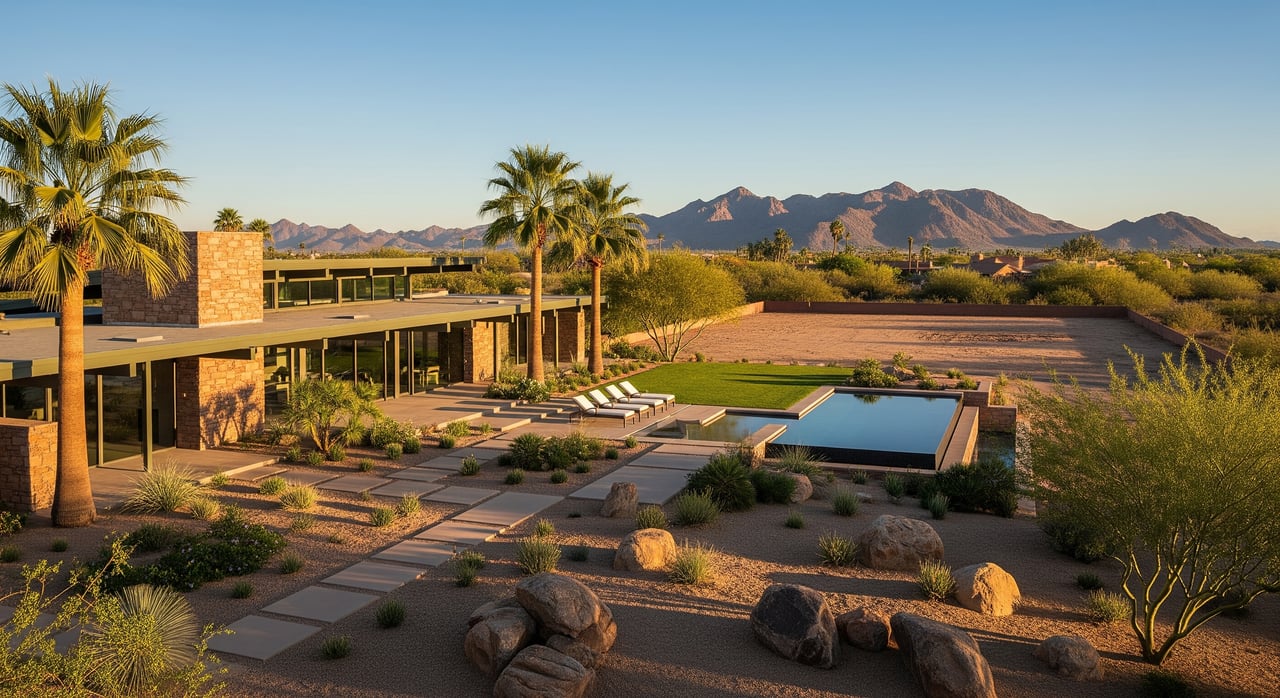
If you value elbow room, this corridor delivers. You will find:
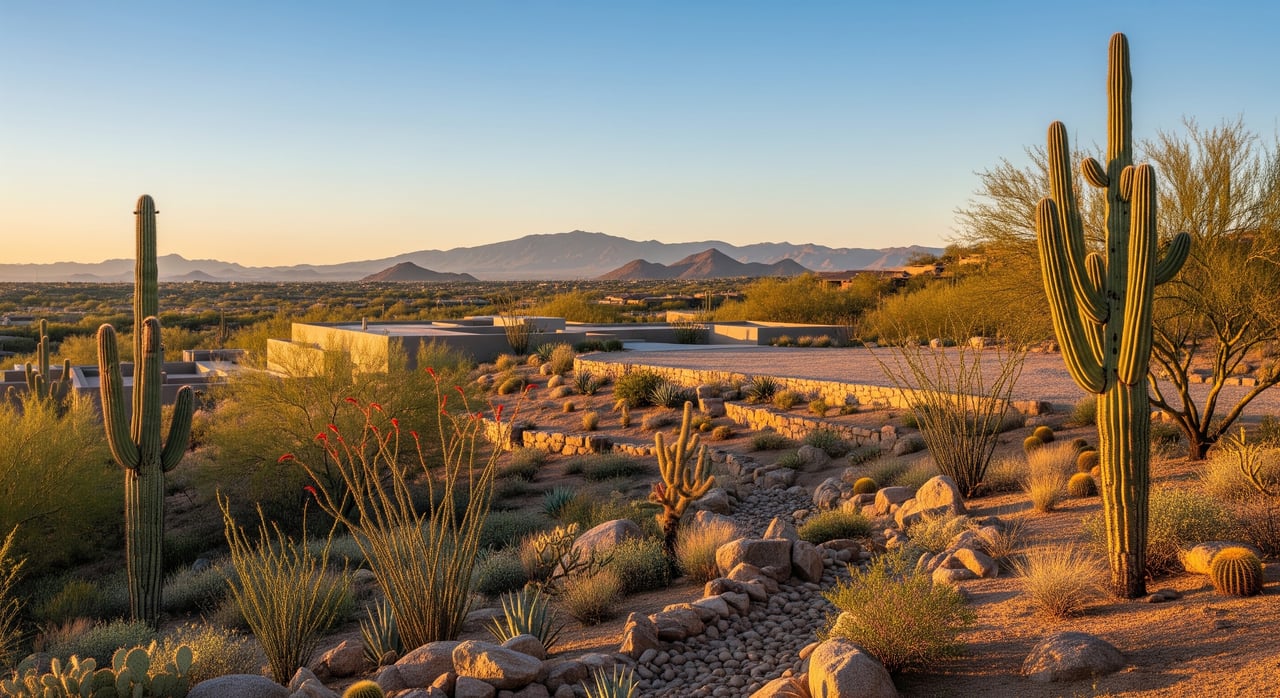
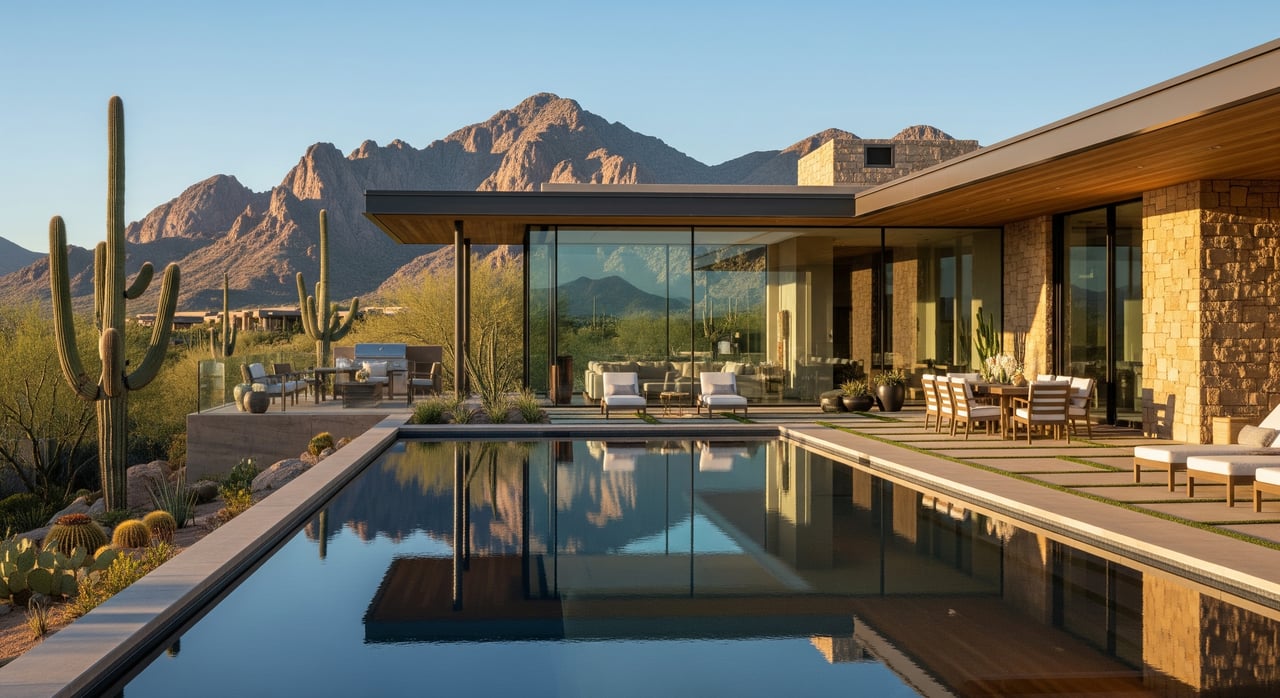
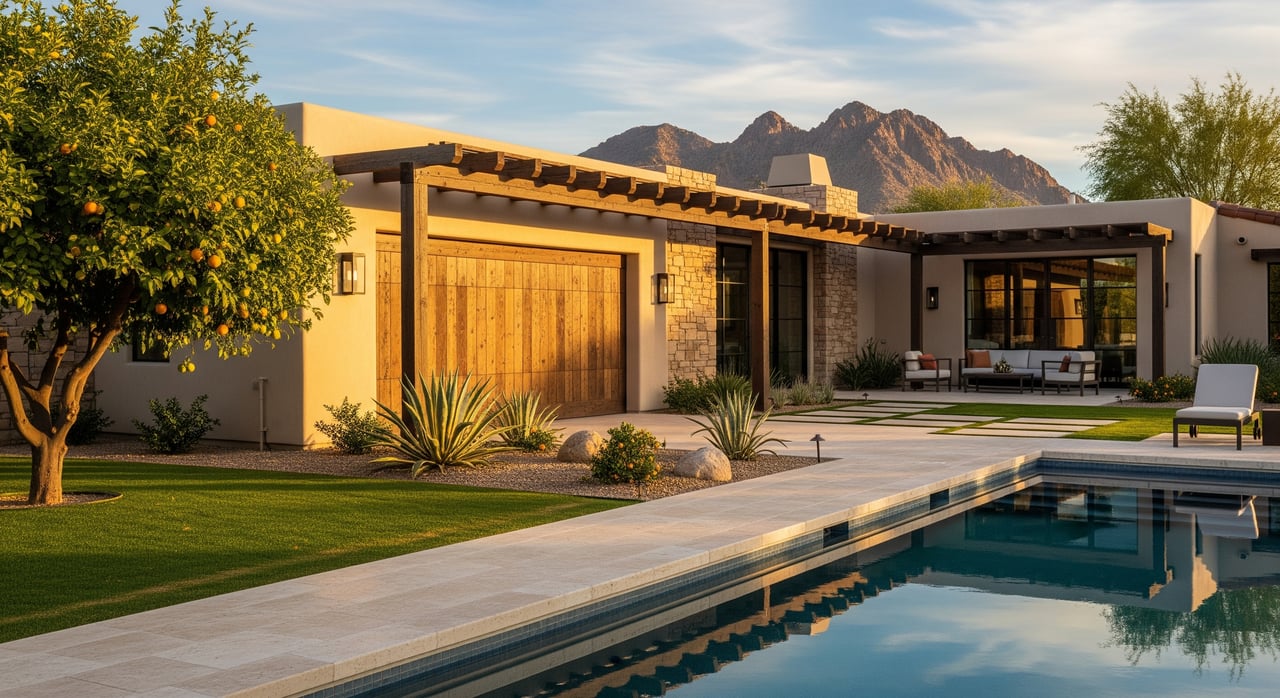
Elevation shifts along the McDowell edge create true view lots. Many properties take in mountain silhouettes and desert panoramas. Native vegetation, boulder outcrops, and preserved washes shape how homes sit on their sites and how yards are used.
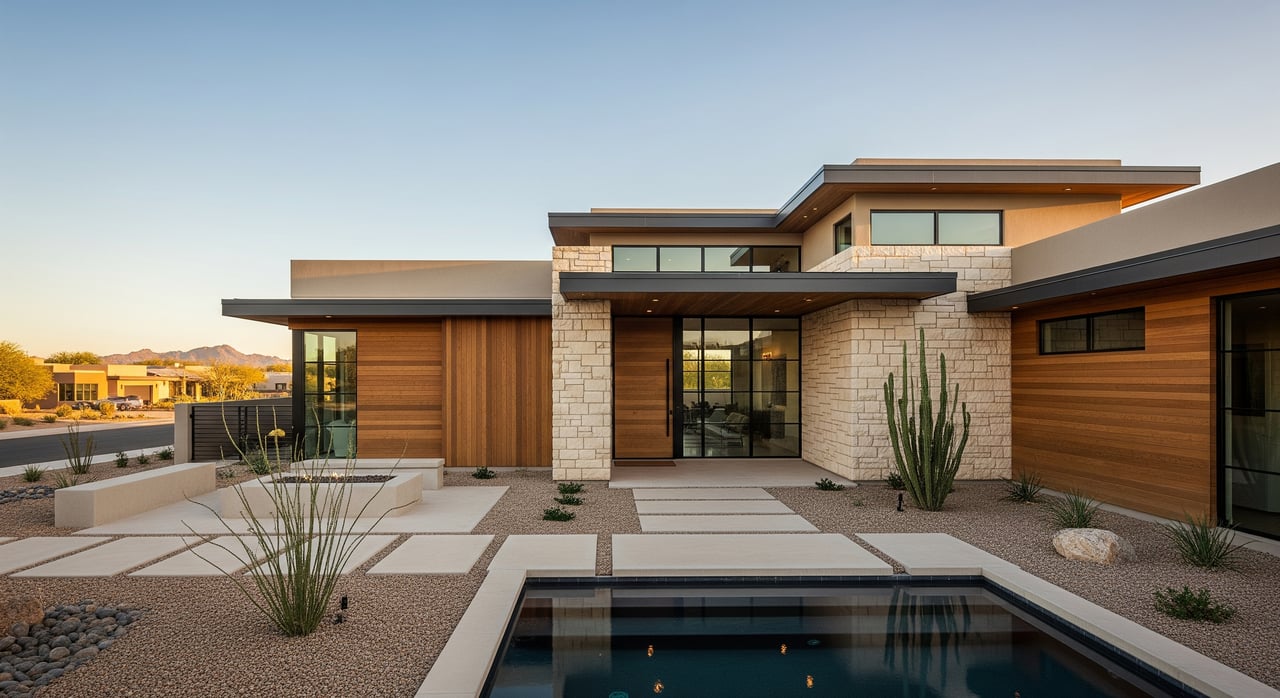
Architecturally, you will see contemporary desert styles, modern Southwestern, Spanish and Mediterranean influences, and high-end ranch designs. Recent buyer preferences lean toward clean lines, large sliding glass walls, energy-efficient systems, and seamless indoor-outdoor living. Boutique custom builders are active, and updated systems or new construction can carry meaningful premiums.
Private club culture is a cornerstone of the area. Nearby communities feature golf, tennis, fitness, spa, and dining that foster a social and active lifestyle. For many buyers, club access is part of the value equation and can influence both pricing and ongoing ownership costs.
Outdoor recreation is plentiful. Trailheads into the McDowell Sonoran Preserve and Pinnacle Peak Park are a short drive for hiking and biking. Some neighborhoods and nearby facilities support equestrian uses. Daily needs are straightforward, with shopping, dining, and medical services within an easy drive.
Getting around is simple by car. Loop 101 connects you to the broader Phoenix metro, and major local roads like Scottsdale Road, Pima Road, and Thompson Peak Parkway anchor the corridor. Commute times depend on your exact address and destination, but most residents rely on direct freeway access.
Three buyer groups are common:
Motivations center on privacy, views, outdoor living, club amenities, and preserved open space nearby. If you are selling, understanding which segment your property fits will guide pricing, presentation, and distribution. If you are buying, clarity on your priorities will help you move decisively when the right home appears.
Not all lots and homes are equal in this corridor. Premiums often center on:
Inventory can be tight. Low turnover in private enclaves limits options, and move-in ready properties can command a premium. Unique estates can see longer market times, especially if they are highly customized or if access and topography constrain use of the lot.
Approach each property with a simple plan. Ask about:
A thoughtful review of these points protects your long-term enjoyment and resale value.
You want to maximize proceeds and protect your timeline. Focus on five levers:
Large lots are attractive to boutique builders and investors. If you own a property with dated improvements, you may have redevelopment options. Site planning must respect drainage, wash corridors, and any hillside guidelines, and architectural review will shape design choices. When aligned with regulations and market demand, a new or substantially renovated home can unlock significant value.
If you are an investor or builder, vet each parcel for buildable envelope, access, and market comps within comparable gated or club communities. If you are a homeowner, understanding your lot’s potential helps you negotiate from strength, whether selling to a retail buyer or to a builder.
Proximity to preserved open space enhances privacy and recreation access. The McDowell Sonoran Preserve and local conservation planning help protect view corridors and limit sprawl into key habitats. Buyers often see this as a long-term positive. It also means future development next to preserve edges is limited, which supports stability in neighborhood character over time.
The Cactus and Shea corridors offer what many luxury buyers want: larger lots, protected natural context, strong club culture, and easy access to Scottsdale’s services. For sellers, that mix supports premium pricing when your home is prepared, positioned, and marketed with intent. For buyers, clarity on lot quality, views, and ownership costs will help you secure the right property with confidence.
If you want a tactical plan for buying or selling in this pocket, connect with Taylor Smart for hyperlocal guidance, premium marketing, and private distribution options that reach both retail and builder audiences. Visit Taylor Smart to get started.
Stay up to date on the latest real estate trends.
Trust in him for expert guidance and unmatched market insight in Phoenix real estate. From high-value listings to strategic buying, he delivers drive, precision, and results—contact him to elevate your property goals.