Paradise Valley Views, Patios And Desert Outdoor Living
May 14, 2026
May 14, 2026
If you are drawn to Paradise Valley, chances are the outdoor experience is a big part of the appeal. This is a market where mountain views, privacy, and usable patio space often shape how a home feels day to day. Whether you are buying, selling, or evaluating a large-lot property, understanding how views, patios, and desert design work together can help you make smarter decisions. Let’s dive in.
Paradise Valley’s setting is not an afterthought. The town’s General Plan describes it as a premier, low-density residential community with primarily one-acre lots, limited commercial activity, natural open space, and a strong emphasis on privacy, quiet, dark skies, and mountain views.
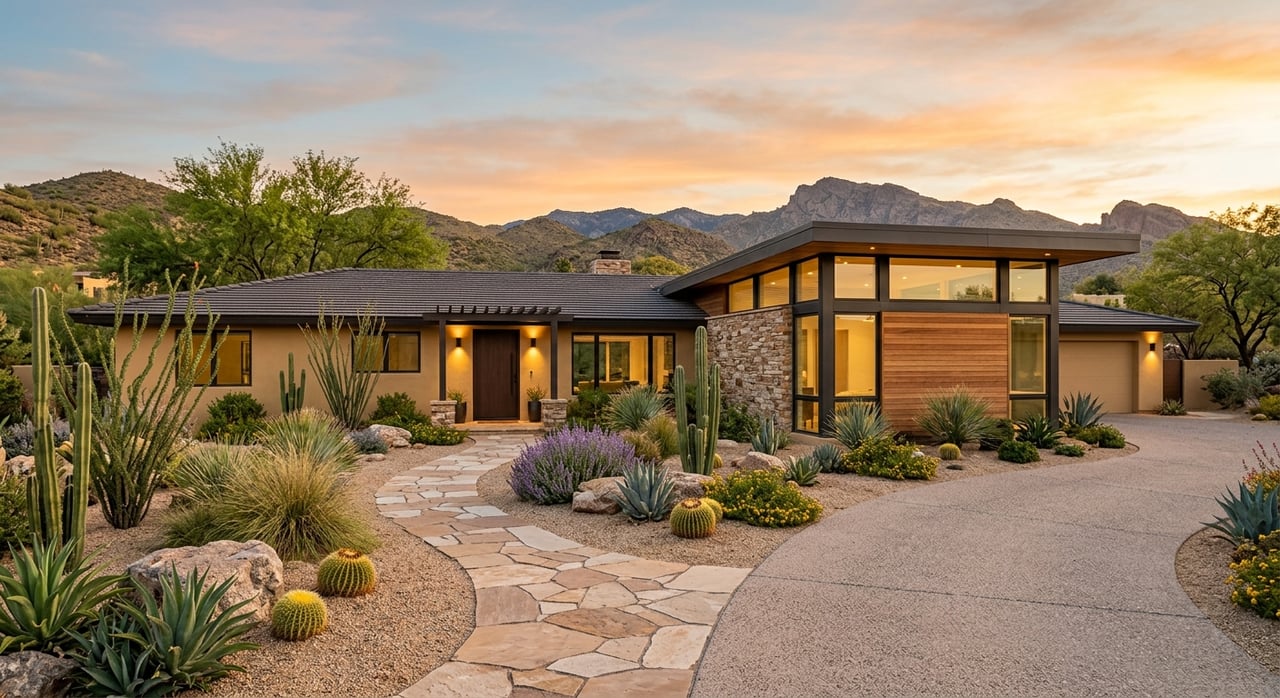
That planning context matters because it helps explain what people value here. Homes that feel connected to Camelback Mountain, Mummy Mountain, the Phoenix Mountain Preserve, and the surrounding Sonoran Desert often align closely with the town’s long-term vision.
The town also treats open space, washes, and view corridors as community assets. In practical terms, that means the strongest properties usually do more than offer a pretty backdrop. They preserve the setting and make it livable.
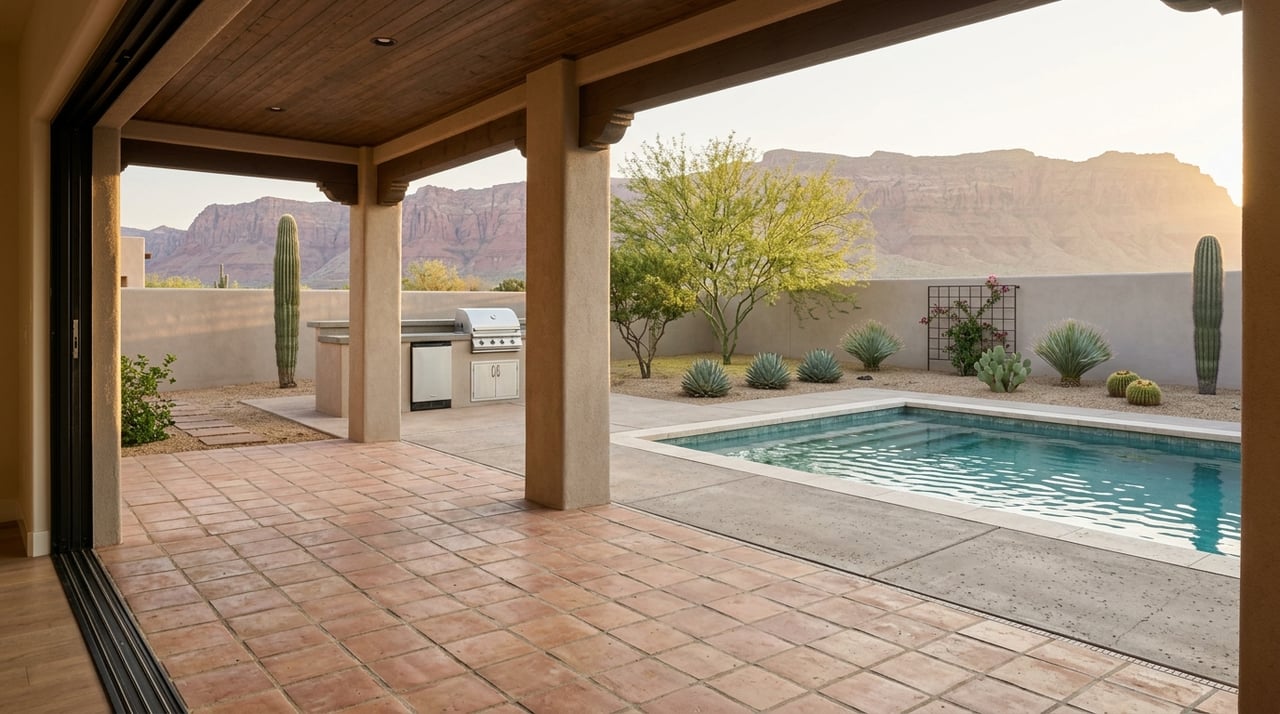
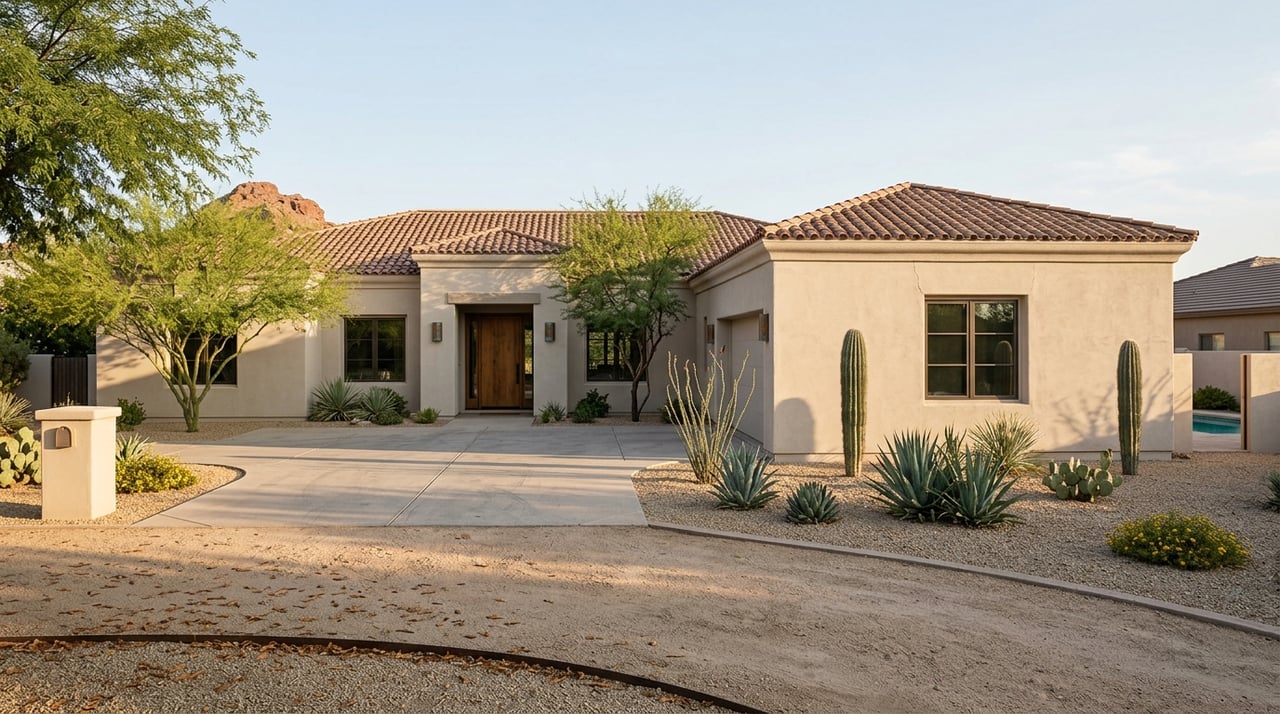
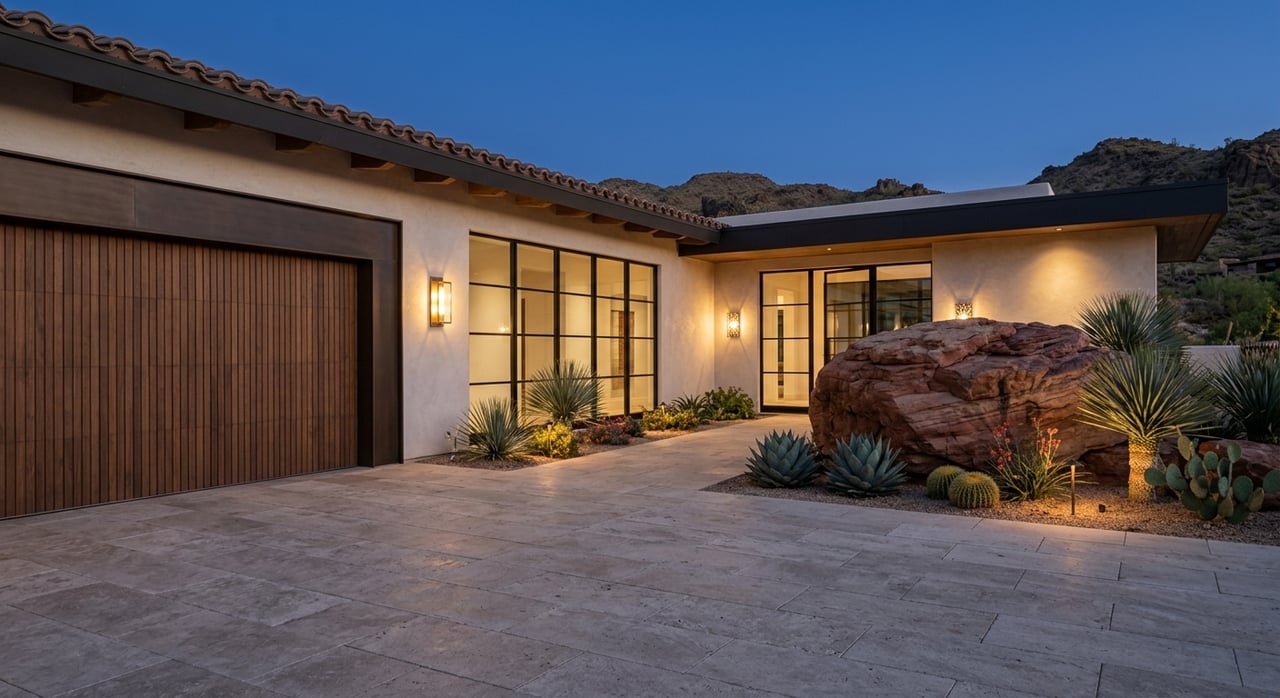
In Paradise Valley, the view itself matters, but the design around that view matters just as much. A mountain-facing patio with smart shade, privacy, and easy access from the main living areas usually creates a much stronger experience than a large backyard that is exposed and hard to use.
That is especially true in a desert climate. If the outdoor space is too hot, too bright, or poorly laid out, even a great lot can feel underused during much of the year.
The best outdoor setups usually frame the scenery instead of competing with it. That often means outdoor rooms that open toward the view side of the property, landscaping that stays low or carefully placed, and structural features that make the patio comfortable through warmer months.
Paradise Valley outdoor living is defined by heat and dryness. Phoenix-area climate normals show average highs of 104.2°F in June, 106.5°F in July, 105.1°F in August, and 100.4°F in September at Phoenix Sky Harbor, with annual precipitation of 7.22 inches.
Nearby Deer Valley readings tell a similar story, with average highs of 101.5°F in June, 104.0°F in July, 102.5°F in August, and 97.5°F in September, along with 8.90 inches of annual precipitation. For homeowners, that means shade, cooling, drainage, and water-wise planning are not luxury extras. They are core to everyday comfort.
If you are evaluating a home, it helps to look beyond the photos. Ask whether the patio can actually function in summer, whether drainage has been considered, and whether the landscape design makes sense for a hot, dry site.
Some outdoor features simply make more sense in Paradise Valley than others. Covered patios, loggias, pergolas, and shaded lounge areas tend to be especially valuable because they help turn outdoor space into usable living space.
The University of Arizona Water Wise guidance recommends designing patios and structural elements first, then shaping the landscape around them. That approach often works well on Paradise Valley lots because it prioritizes how you will actually move through and use the space.
Shade placement is a major part of that strategy. Southern and western exposures can be especially hot, so trees, vines, or other shade elements in those areas can make a noticeable difference.
These features are not just about aesthetics. In this climate, they help determine whether the outdoor area feels like an extension of the house or just extra square footage outside.
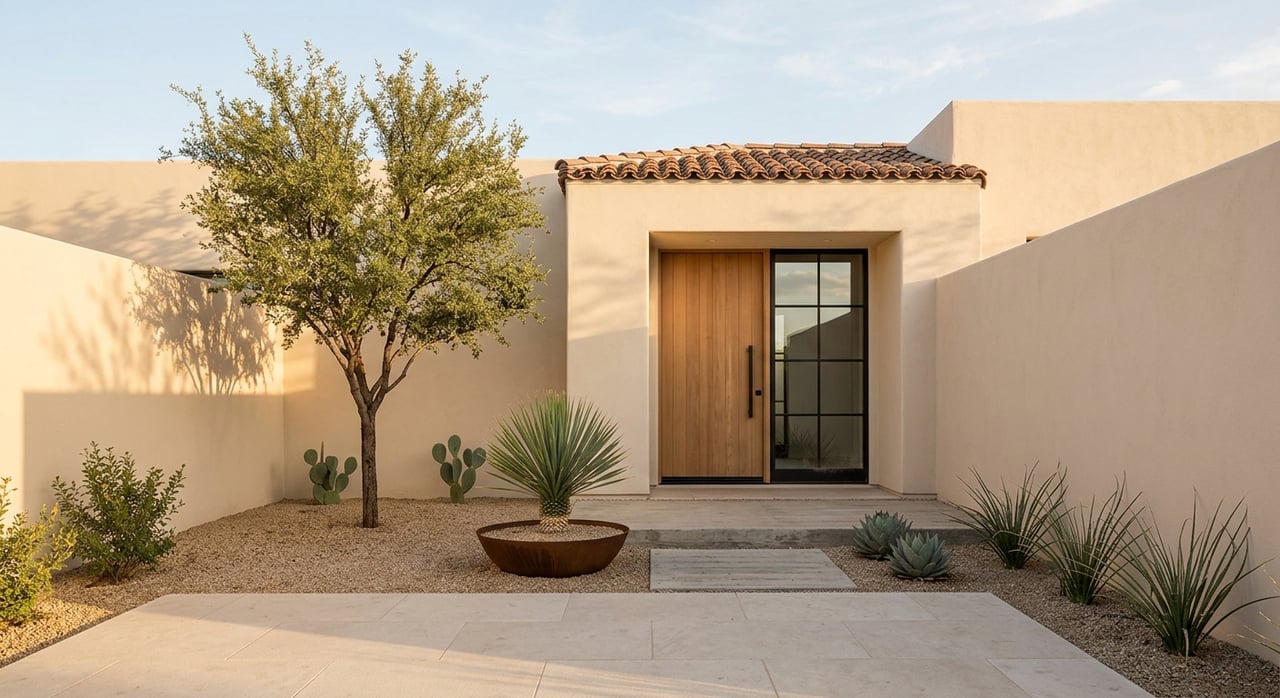
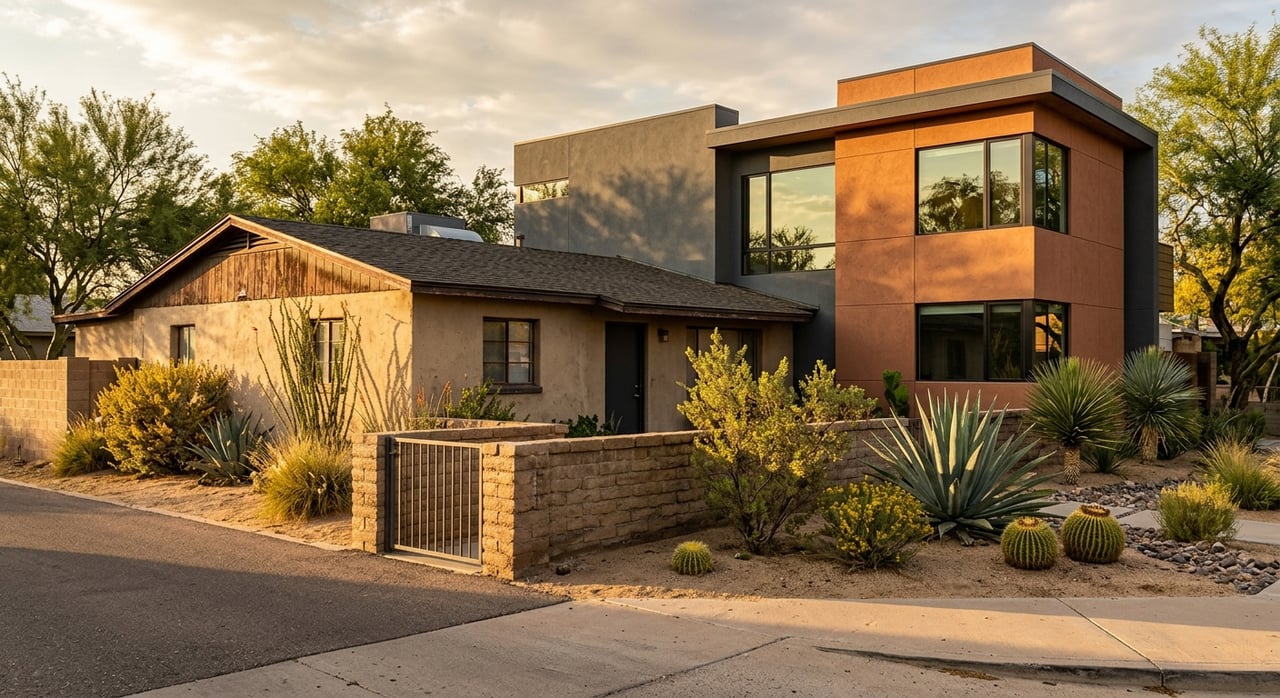
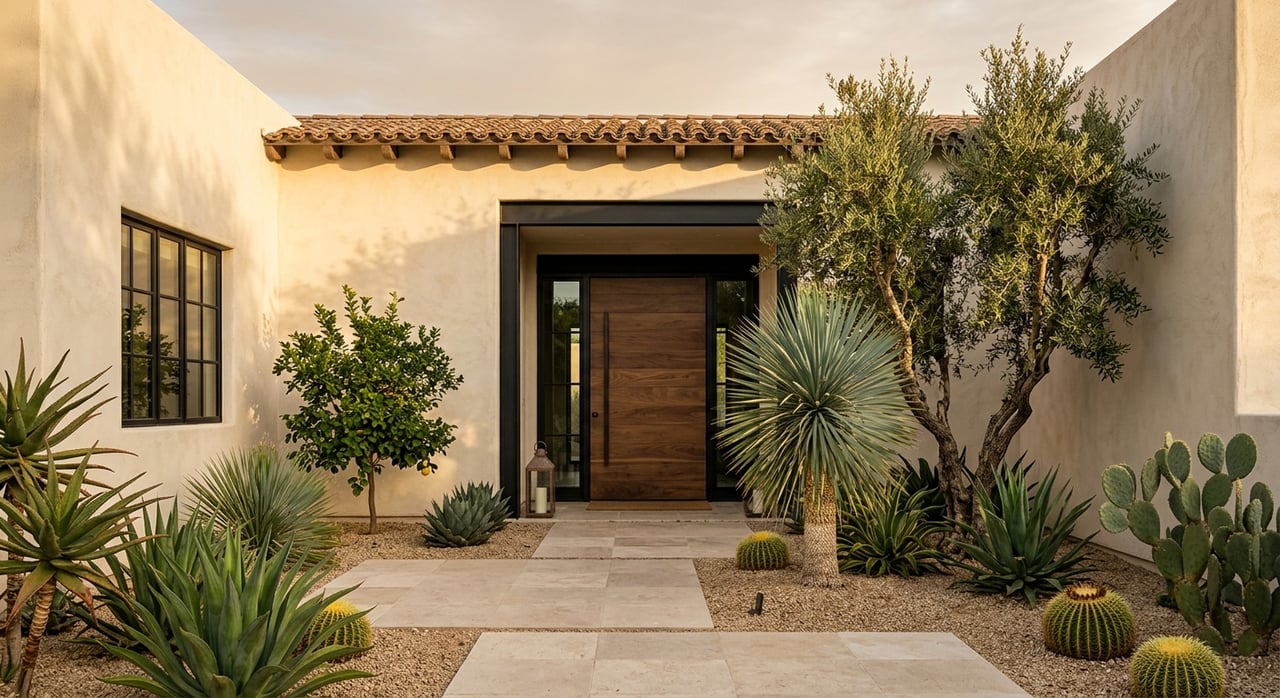
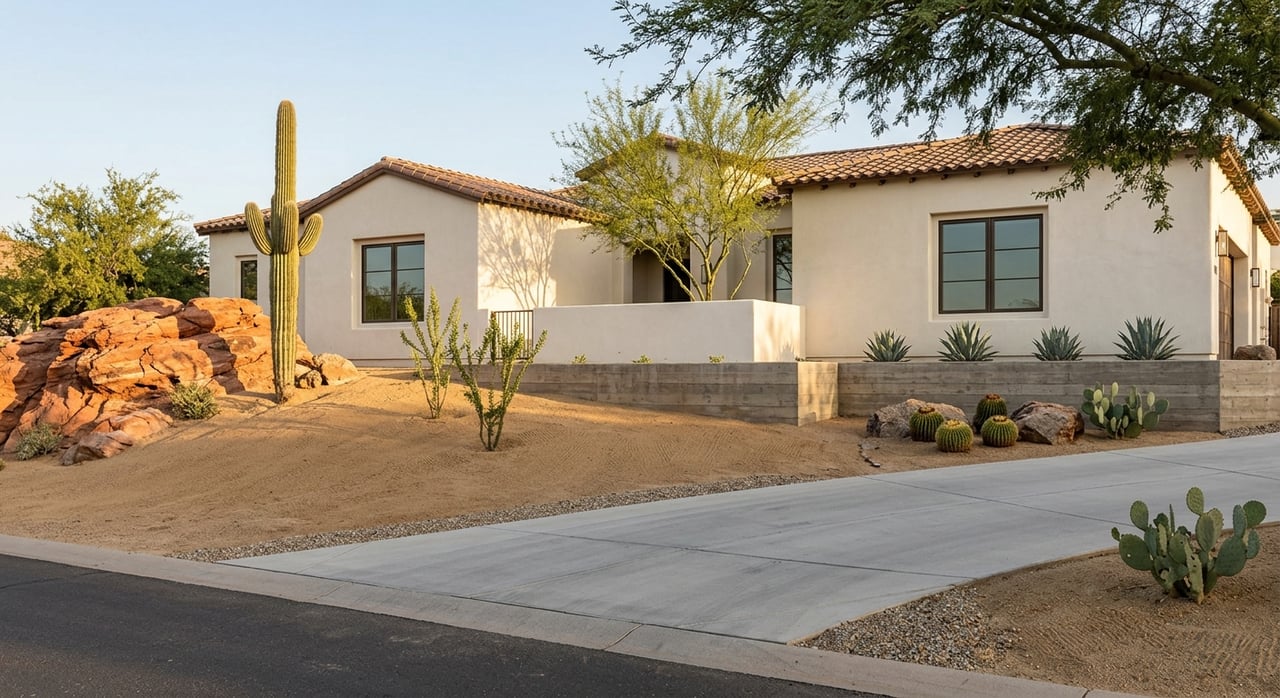
Low-water landscaping is important in Paradise Valley because the climate is intensely hot and dry. A well-planned desert landscape can still feel lush and intentional, but it should reduce irrigation demand rather than fight the environment.
Water Wise guidance recommends keeping the most intensively used areas close to the home and placing lower-water planting farther out on the lot. That pattern fits many Paradise Valley properties because it supports comfortable outdoor living near the house while preserving a more natural desert setting beyond it.
The same guidance also supports water-harvesting features and desert-adapted planting. Rock mulch and similar methods can help fit the site while supporting more efficient water use.
For buyers, this means a mature landscape should be judged by function as much as appearance. For sellers, it means the strongest presentation often comes from outdoor spaces that look refined, fit the setting, and do not signal unnecessary maintenance.
Paradise Valley’s planning policies place a high priority on preserving or restoring washes. The town identifies washes as important for stormwater drainage, aesthetics, wildlife habitat, natural open space, and view corridors.
That matters because outdoor living in Paradise Valley is not only about the patio nearest the house. It is also about how the full site works, especially on larger lots where topography, drainage paths, and open desert edges can shape both usability and long-term appeal.
If you are considering improvements or evaluating resale potential, a thoughtful site plan can be a major asset. Outdoor upgrades tend to work best when they respect the lot’s natural patterns instead of forcing a layout that ignores them.
Paradise Valley’s General Plan ties quality of life to privacy and quiet, not just views. That is an important point because the best outdoor spaces usually balance openness with seclusion.
A patio may face a mountain backdrop, but the experience improves when the space also feels sheltered and intentional. Screening, careful plant placement, and thoughtful orientation can all support privacy without undermining the broader view experience.
For sellers, this is often where presentation matters. Buyers are not only reacting to what they can see from the yard. They are also reacting to how comfortable, calm, and protected the space feels.
In Paradise Valley, pools and water features often support the private-retreat feel many buyers want. They can enhance the visual experience of the backyard, especially when they are integrated into the patio layout and positioned to complement the site.
There is also a practical layer. University of Arizona Firewise guidance notes that patios, masonry, rock planters, pools, ponds, and streams can function as fuel breaks.
That can be especially relevant for hillside properties or homes near undeveloped desert edges. In those settings, hardscaping and water features may support both enjoyment and smarter defensible-space planning.
For properties near wildland areas or on slopes, outdoor design should also consider firewise planning. The University of Arizona recommends careful defensible-space planning around homes, especially on south- or west-facing slopes and near undeveloped land.
This is where hardscaping, low-flammability plants, and well-maintained transitions between the house and the landscape become important. On view properties, the most effective design often combines safety, durability, and visual restraint.
That does not mean sacrificing beauty. It means choosing outdoor elements that support the setting and the realities of the site.
Buyers in Paradise Valley often respond to a full outdoor experience, not a single feature. A strong view gets attention, but lasting appeal usually comes from the combination of view, shade, privacy, and a layout that feels easy to use.
In practical terms, buyers tend to notice whether the main living spaces open toward the outdoor focal points. They also notice whether the patio offers relief from the heat and whether the landscape feels tailored to the desert rather than overly demanding.
When those details come together, a property can feel more complete. That is often what separates a memorable home from one that photographs well but feels less compelling in person.
If you are preparing to sell in Paradise Valley, your outdoor story should center on function as much as beauty. The most effective features to emphasize are usually the ones that show how the home lives on a daily basis.
That may include:
Features that can weaken the story include blocked views, oversized hardscape with too little shade, or landscaping that looks expensive to maintain. In this market, buyers often respond best to outdoor spaces that feel polished, practical, and aligned with the character of Paradise Valley.
Research broadly shows that scenic views are a valued residential amenity and that buyers often pay more for them, though the premium varies by market and by the quality of the view. In Paradise Valley, the stronger resale story is often not just that a home has a view, but that it delivers a protected and usable view experience.
That means unobstructed or well-framed mountain scenery, outdoor rooms that are comfortable in the heat, and landscaping that supports the setting over time. It also means a property that aligns with local priorities around open space, view protection, and desert-appropriate design.
For large lots, custom homes, and redevelopment-minded properties, these details can carry real weight. They help define how the property lives today and how it may be perceived when it is time to sell.
If you are evaluating how your Paradise Valley property positions in today’s market, or you want a tactical plan for marketing a view lot, patio-focused home, or redevelopment candidate, connect with Taylor Smart for a local, market-driven strategy.
Stay up to date on the latest real estate trends.
Trust in him for expert guidance and unmatched market insight in Phoenix real estate. From high-value listings to strategic buying, he delivers drive, precision, and results—contact him to elevate your property goals.