Arcadia Lots: Features Builders And Buyers Notice
March 12, 2026
March 12, 2026
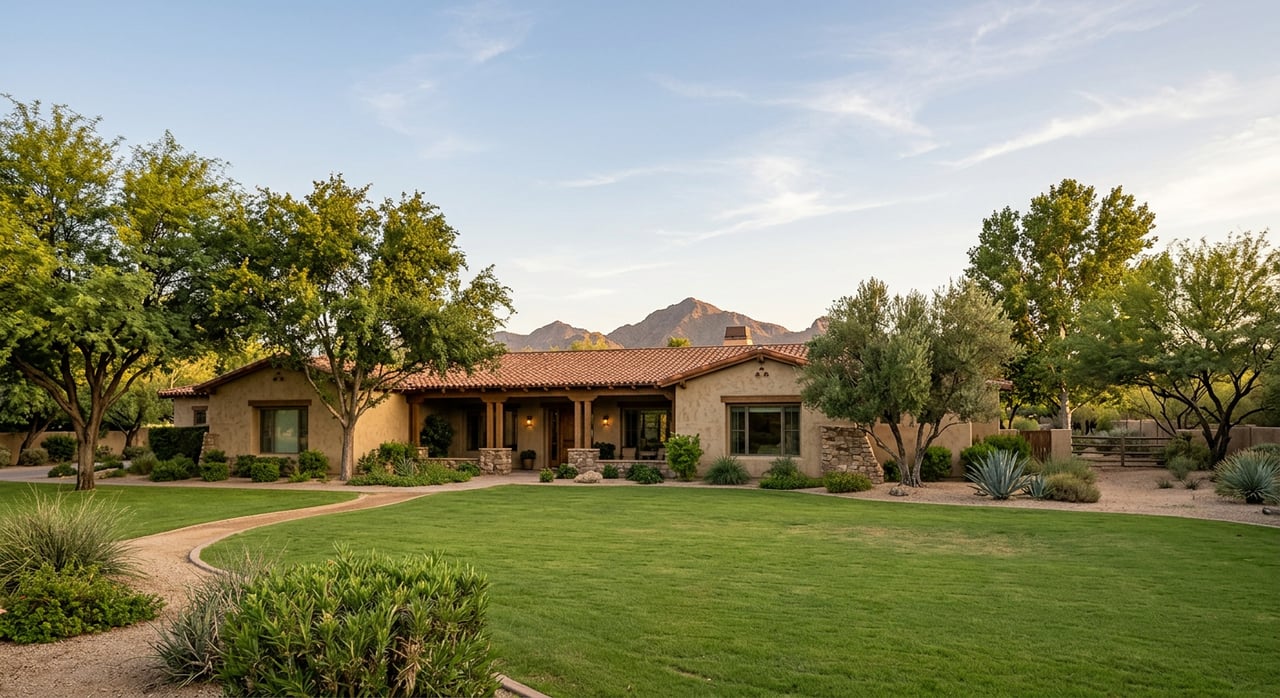
Two Arcadia lots can look identical on paper yet trade very differently in real life. If you are comparing options along Camelback Road and the Arizona Canal corridor, details like sun exposure, legacy irrigation, frontage, and how the current home sits on the land drive price, comfort, and build potential. This guide shows you what builders and buyers notice first, why it matters in Arcadia, and how to evaluate a lot with confidence. Let’s dive in.
You will hear Arcadia described as the corridor on the south face of Camelback Mountain between roughly 44th Street and 68th Street, spanning parts of Phoenix and Scottsdale. The area’s history as irrigated citrus groves still shapes today’s lots, vegetation, and underground infrastructure. For neighborhood context and its historic irrigation background, review the city’s Arcadia survey and maps in the Arcadia Historic Residential Property Inventory from the City of Phoenix. The city’s summary explains Arcadia’s origins, its canal-fed irrigation, and why legacy infrastructure remains.
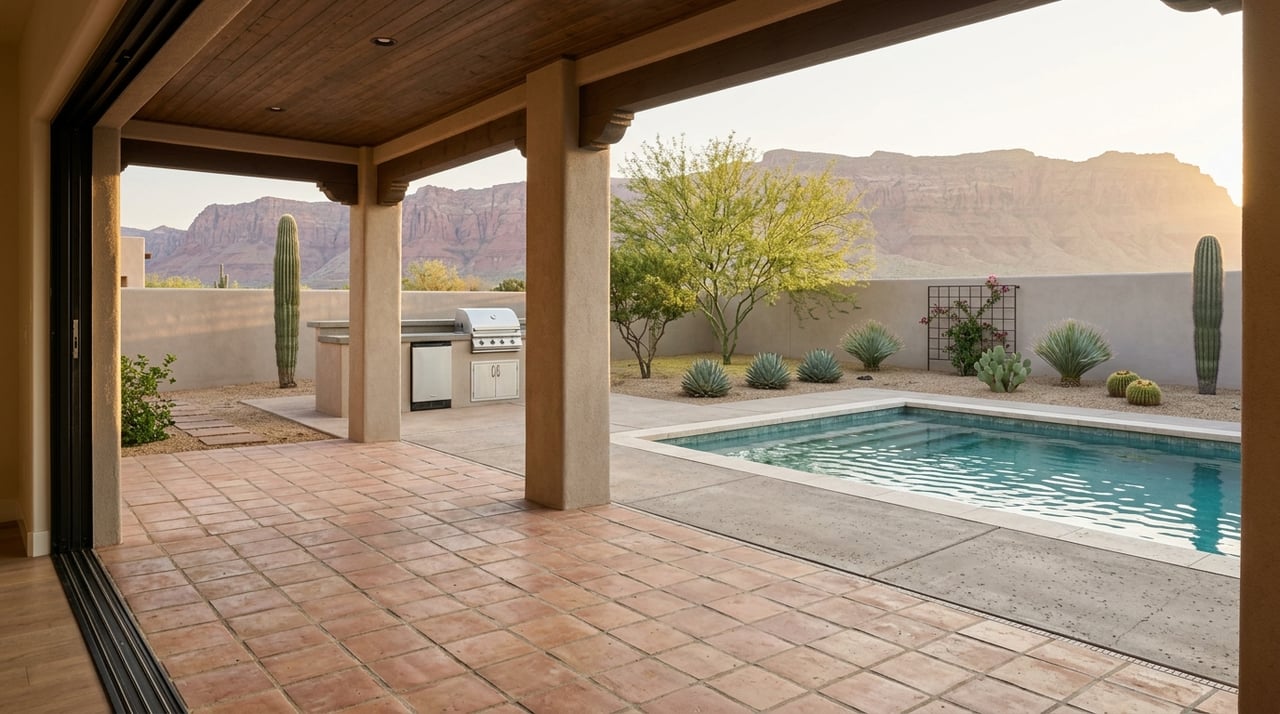
Orientation is the lot’s long axis and which way the main facades face. In Phoenix, southern and western exposures see the most intense sun in the hot season. Builders prize layouts that allow shaded outdoor living and smart window placement to reduce heat gain. Research on shade and cooling in hot climates shows that well-placed canopy and structures can materially cut cooling loads, which improves comfort and operating costs. See a summary of these findings in the urban-forest and energy literature on climate and energy. This research outlines how shade reduces building cooling energy in hot climates.
Practical takeaway: lots that enable a north-facing main living area and a shaded south or west outdoor zone often feel more comfortable year-round. For you, that can mean better patio use in summer and potentially lower long-term cooling costs. For builders, it affects window schedules, roof overhangs, and HVAC sizing.
Arcadia’s roots as irrigated citrus estates still show up under today’s lawns. Early developers formed the Arcadia Water Company in 1919 to serve orchards, and parts of that system persist. Scottsdale’s water timeline references the 1919 formation and early infrastructure. On some parcels you will find irrigation meters, buried concrete laterals, or easements.
Why it matters: existing irrigation can lower the cost to maintain mature lawns and trees, which many Arcadia buyers value. At the same time, buried lines and easements can constrain excavation and pool or foundation locations. If you plan a pool or a full rebuild, you should confirm whether any irrigation mains or private laterals cross the site and what that means for design.
Mature trees are part of Arcadia’s identity. They create an “oasis” feel, increase shade, and elevate curb appeal. In Phoenix’s climate, canopy is more than aesthetic. The city highlights the health and energy benefits of shade through its Tree & Shade programs, which also signal an interest in preserving and expanding tree cover. Review the city’s Tree & Shade resources for policy context and guidance.
For buyers, large, well-maintained trees can be a premium feature. For builders, removing or relocating big trees can add cost and time, and may require coordination with the city or mitigation plans.
Frontage influences both enjoyment and design. Quiet interior streets trade differently than lots on Camelback Road or Indian School Road, which offer convenience but higher traffic and noise. Lots that back to the Arizona Canal or Grand Canal Trail connect to a multi-use path network many residents love. The city’s bike and circulation plans treat canal corridors as amenity corridors, yet canal banks and utility easements can limit what you can build near the rear property line. See the city’s BikePHX plan for how canal trails function as public corridors.
In Arcadia Proper you will commonly see larger, landscaped parcels, while surrounding pockets may be smaller or more irregular. Size and shape affect your buildable envelope, backyard depth, and where a pool or guest house can go. Corner lots, irregular lots, and deep setbacks can shrink usable area more than the square footage suggests. On lower slopes near Camelback Mountain, modest grade changes can also add design and drainage costs.
Arcadia parcels often include public utility easements along edges, irrigation or canal-related easements, and recorded access agreements. These change the legal buildable area even where the physical space looks open. You will want a current title commitment and a survey to map all easements before you plan additions, a pool, or a lot split.
Many original ranch homes were placed to maximize yard and shade rather than to fill the maximum footprint. That can be a selling point if you value large, usable outdoor space. It can also shape a builder’s choices, since moving the footprint or reorienting living areas may require working around trees, utilities, and existing connections. Knowing sewer and water entry points, prior variances, and any unique setbacks helps you avoid surprises.
Arcadia spans portions of two cities. That means permit paths and zoning rules can change block by block. Always confirm which city has land-use authority for the parcel you are considering.
Parts of Arcadia fall within the Arcadia Camelback Special Planning District and the Camelback Road overlay. These can affect setbacks, wall and fence standards, and design treatments on Camelback-facing properties. Start with the Camelback East Village planning page for maps and contacts. The city’s Camelback East page lists the SPD and overlay materials. If your parcel is inside the SPD, review the ordinance text to understand standards and any special review. Read the Arcadia Camelback SPD ordinance to check parcel-specific rules.
If a redevelopment plan splits a parcel into six or more lots, Arizona’s Assured Water Supply rules may require a Certificate of Assured Water Supply, or that the project be served by a municipal provider with a Designation of Assured Water Supply. Recent modeling in the Phoenix Active Management Area tightened the conditions for groundwater-based approvals, so developers need to confirm feasibility early. Single-lot teardowns that use existing city service are usually unaffected. Review ASU’s summary of the Phoenix AMA model and CAWS implications.
Because canopy is a city priority, large removals can trigger coordination or mitigation. If a parcel has significant trees, consider an arborist evaluation before budgeting a clear site. Coordinate with city forestry or the appropriate department if street trees or regulated species are involved.
To map easements, utilities, and improvements, many lenders and buyers rely on an ALTA/NSPS Land Title Survey. It is the industry standard for transactions that depend on clear knowledge of access and encumbrances. Order current title and survey work early, especially if you plan a pool, addition, or lot split. See the NSPS overview of ALTA/NSPS Land Title Survey standards.
Lot size, orientation, mature landscaping, and views often lead the premium tier. Public reporting regularly highlights how half-acre estate parcels with irrigated landscaping and Camelback proximity command higher prices. For example, Axios covered a half-acre Arcadia estate listed at 4.2 million, underscoring how lot and amenity combine to drive value. Read Axios Phoenix’s coverage of a half-acre Arcadia estate.
Use this quick list to protect your budget and timeline:
Recommended professionals for Arcadia projects:
Buying, selling, or building in Arcadia is as much about the dirt as the house. When you understand the orientation, irrigation history, frontage, canopy, and the overlay rules on a specific lot, you can price with confidence and design without surprises. If you want a tactical plan for purchase or a premium strategy to list a redevelopment candidate, connect with Taylor Smart for a focused lot-level review and market-ready execution.
Stay up to date on the latest real estate trends.
Trust in him for expert guidance and unmatched market insight in Phoenix real estate. From high-value listings to strategic buying, he delivers drive, precision, and results—contact him to elevate your property goals.