Paradise Valley Estate Lifestyles And Daily Rhythm
March 26, 2026
March 26, 2026
If you have ever wondered what a day feels like on a one-acre desert estate tucked between Camelback and Mummy mountains, you are not alone. Many buyers eye Paradise Valley for its privacy, views, and resort access, but want a clear picture of daily life before committing. In this guide, you will learn how the town’s zoning shapes the lifestyle, what a typical day looks like across seasons, which amenities anchor the rhythm, and what to verify before you buy. Let’s dive in.
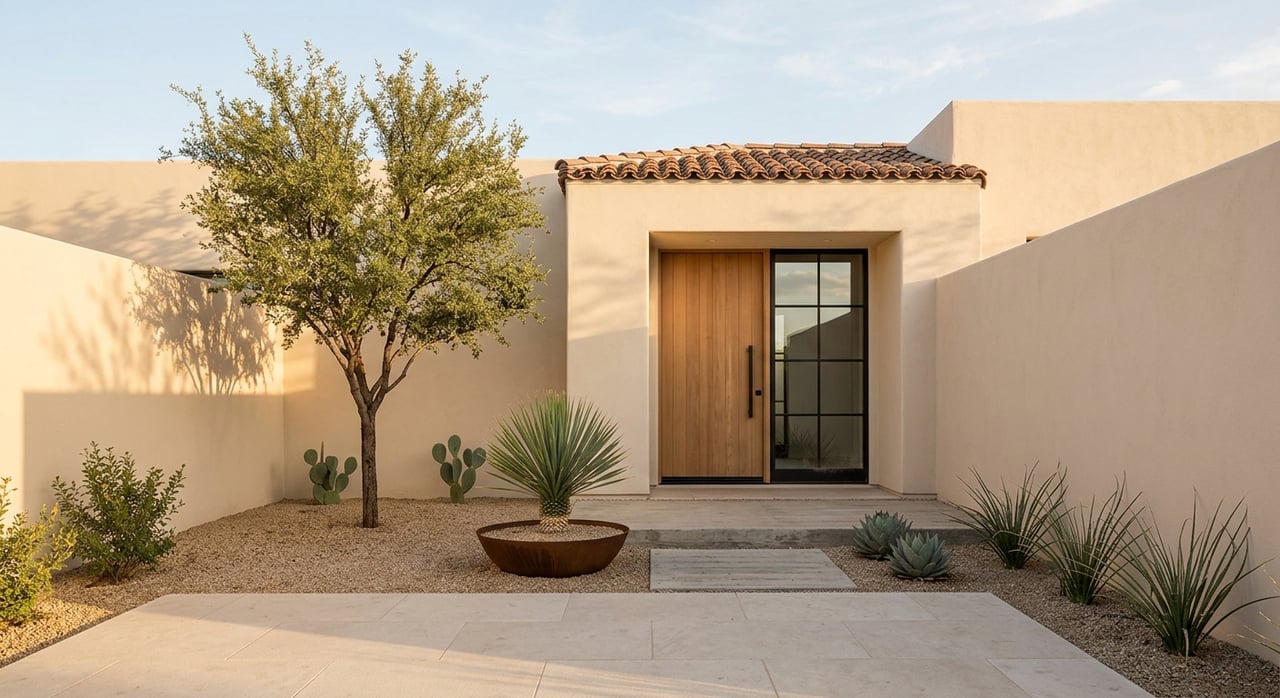
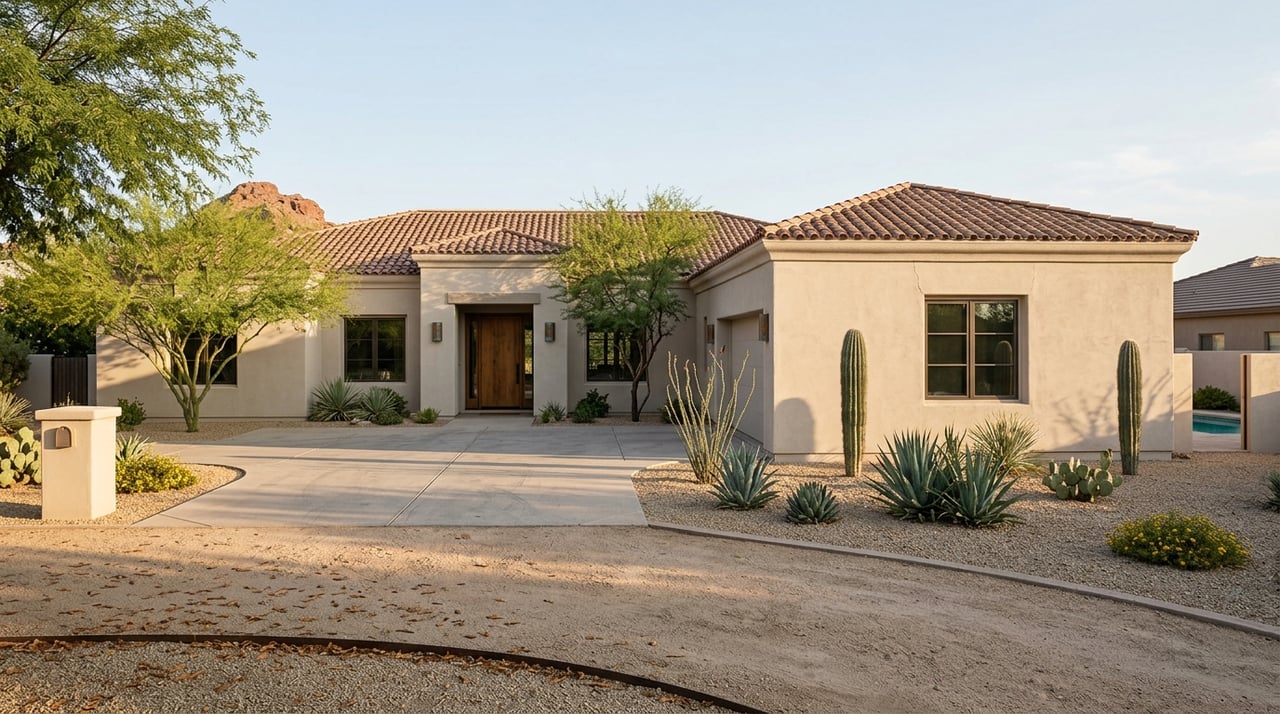
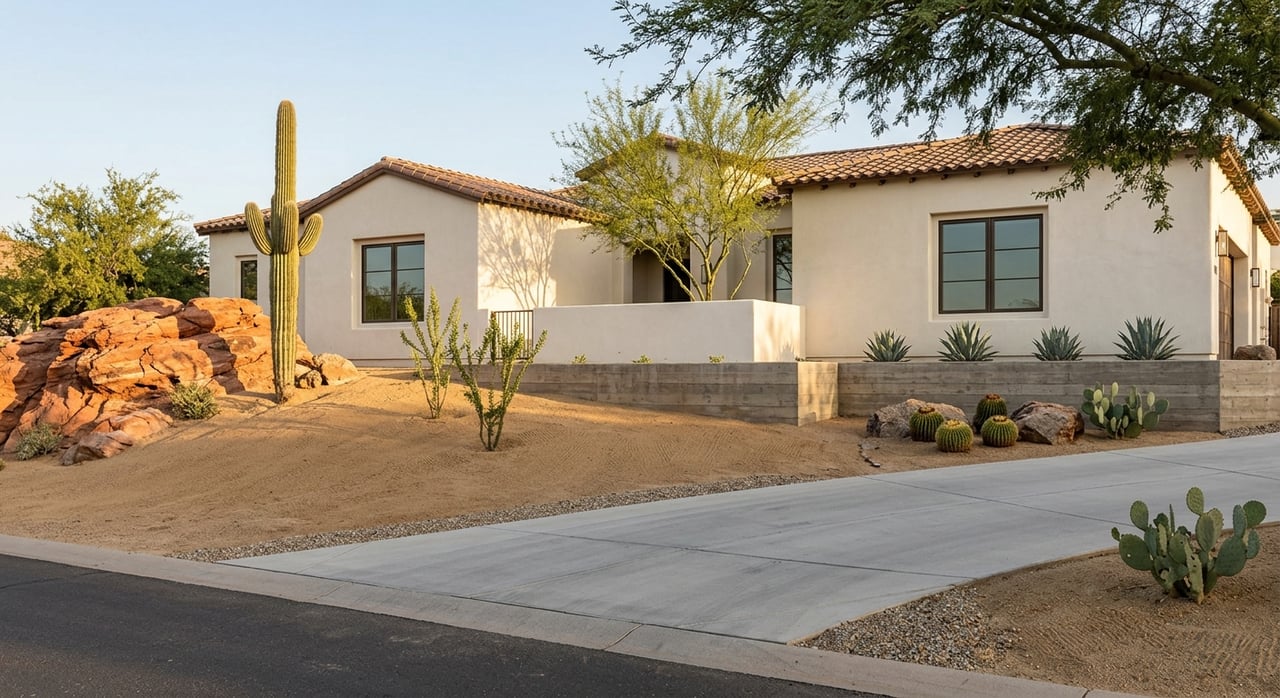
Paradise Valley is built for space and privacy. The town’s predominant R-43 zoning sets a one-acre minimum lot size in many neighborhoods, which creates a low-density, estate-forward setting with mountain views and generous setbacks. You will feel the difference the moment you turn off the main corridors into quiet residential streets. Large parcels read like private compounds rather than suburban infill.
Location matters here. Paradise Valley sits between Phoenix and Scottsdale at the base of Camelback and Mummy mountains, which puts trailheads, resorts, and clubs close by instead of dense retail blocks. If you value quiet at home but quick access to dining, golf, and spas, this geography is a major advantage. Learn more about the local landforms that define the backdrop on the Mummy Mountain page.
Large parcels are the norm, not the exception. The one-acre minimum in many areas supports wide motor courts, long approach drives, and meaningful indoor-outdoor separation. With more land, architects can orient main rooms and terraces to frame mountain silhouettes and city lights while maintaining privacy buffers.
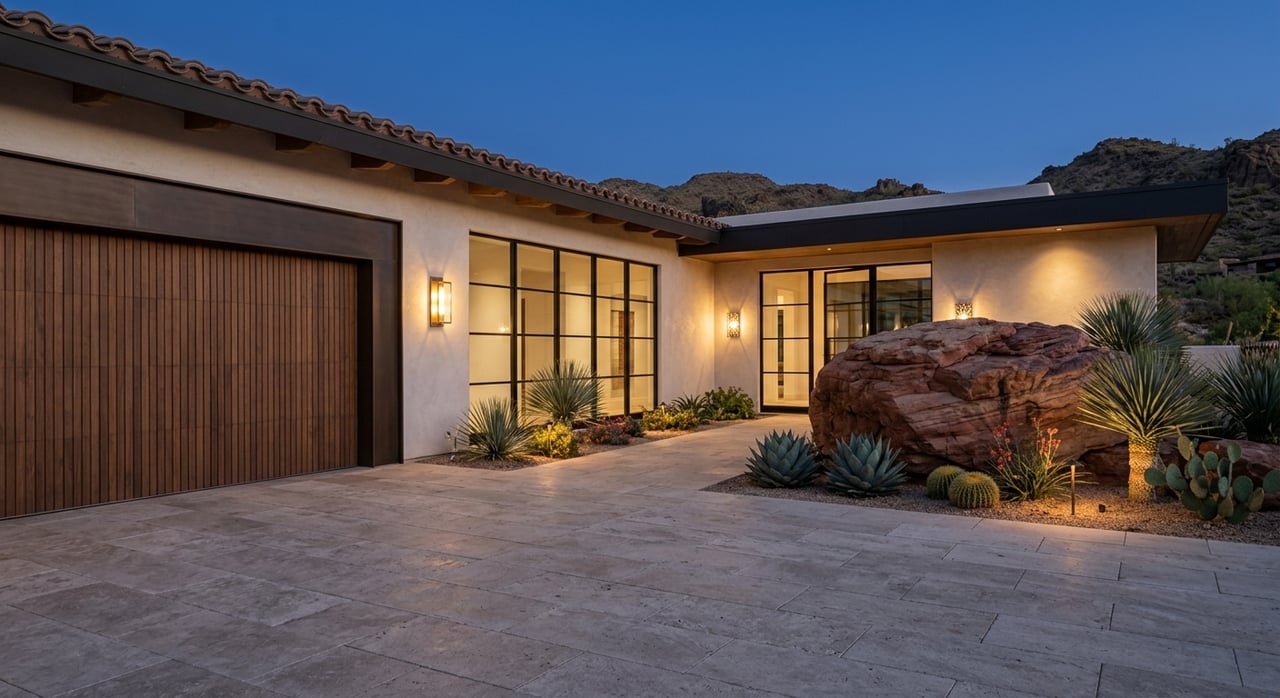
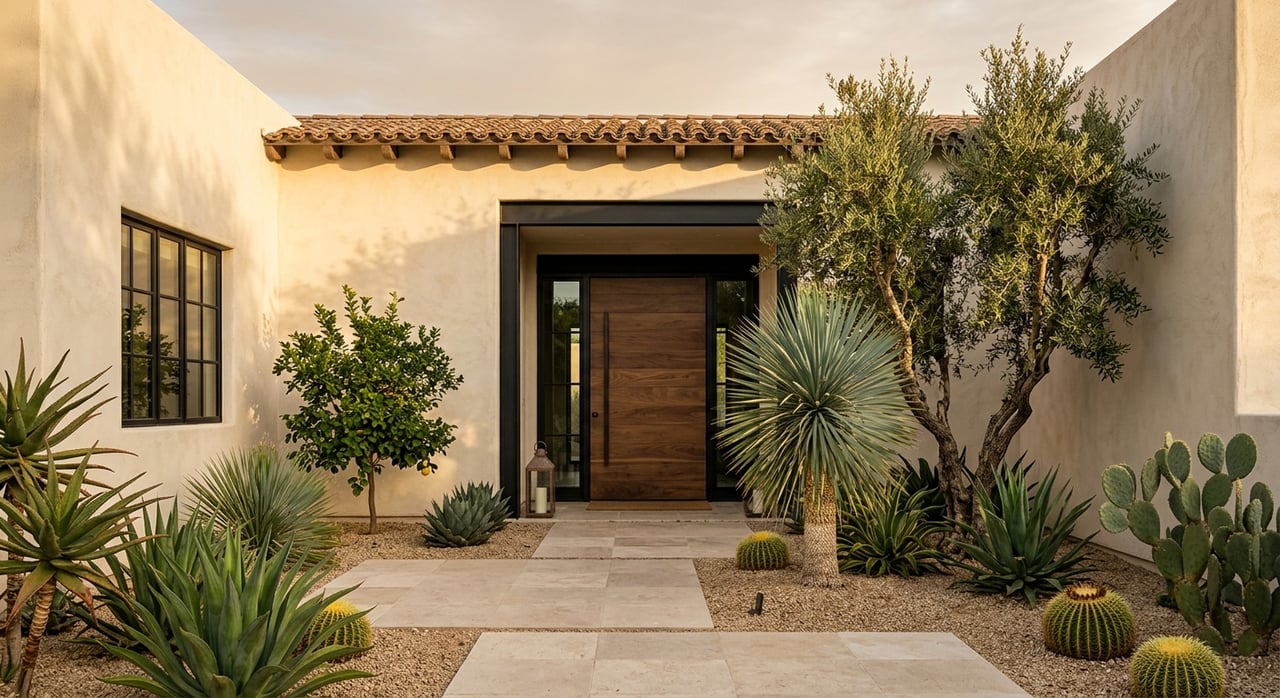
These buffers are practical and aesthetic. Mature desert plantings, boulder groupings, and thoughtfully placed walls help reduce noise, create shade, and provide natural screening. The result is a calm, resort-like feel even when you are only minutes from major hubs in Phoenix and Scottsdale.
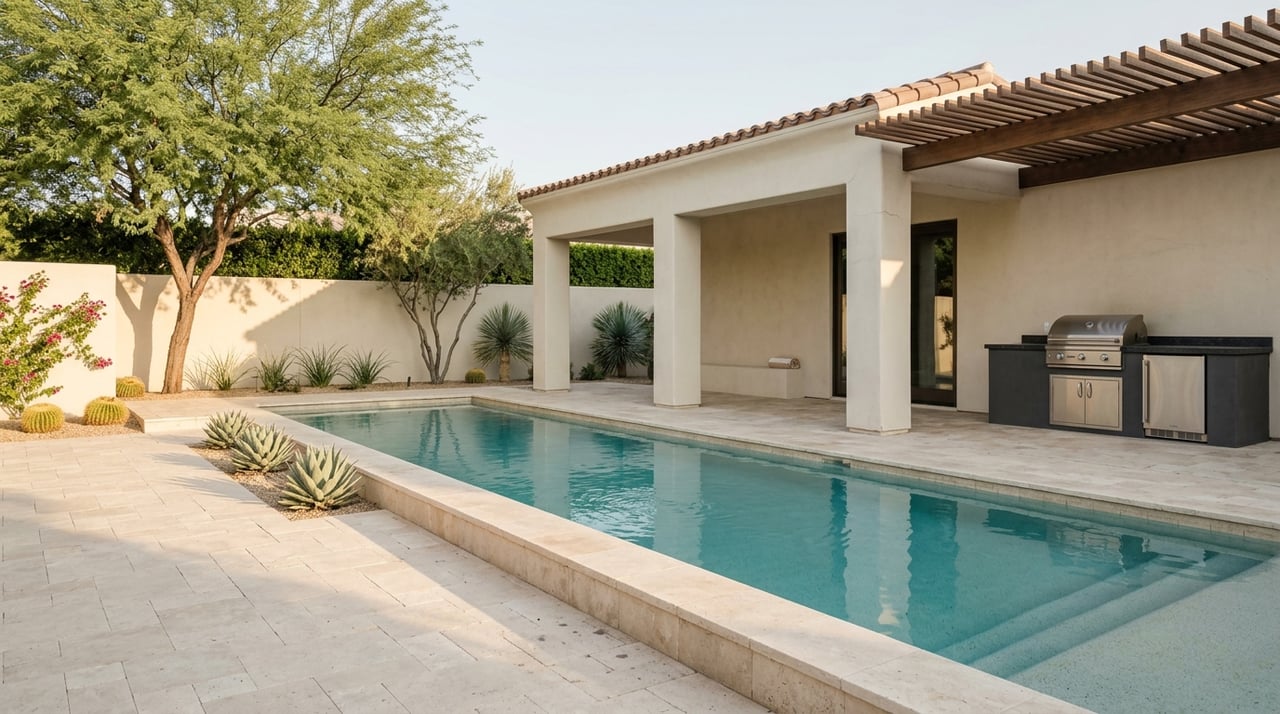
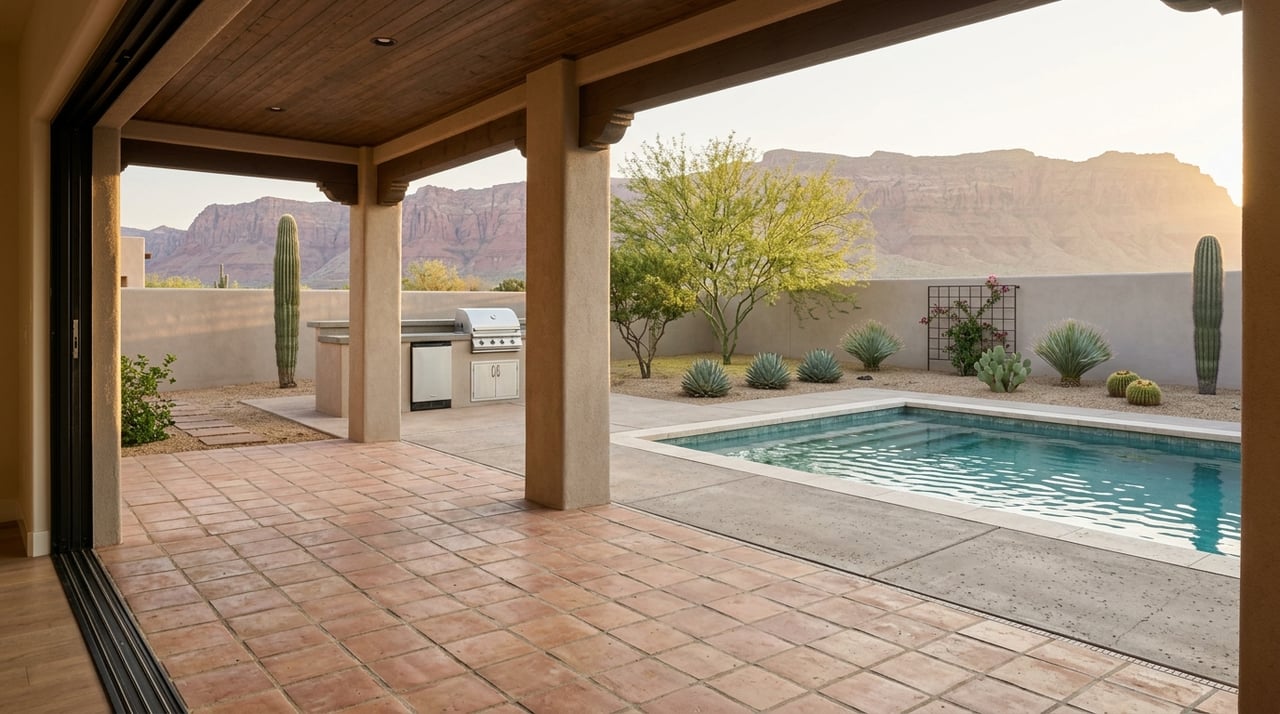
You will see resort-scale outdoor programs again and again. Common elements include negative-edge pools and spas, covered patios with misting systems, multiple dining terraces, full outdoor kitchens, and dedicated wellness spaces like saunas or steam rooms. Many estates also feature detached guest casitas for privacy, show garages and motor courts, and sport courts or pickleball.
Design decisions tend to prioritize views and climate. Shaded loggias, deep overhangs, and flexible indoor-outdoor rooms allow you to use your home comfortably across seasons. When the summer sun is high, you retreat to covered areas and poolside lounges. When evenings cool, fire features and al fresco dining take over.
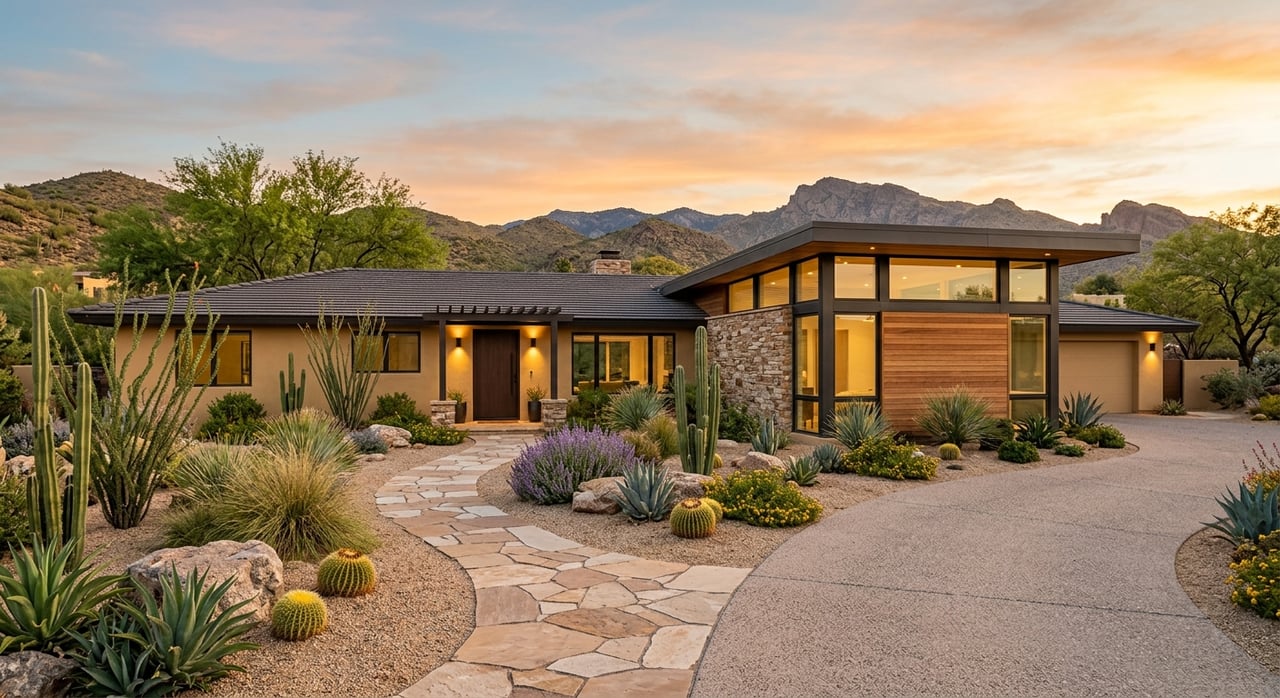
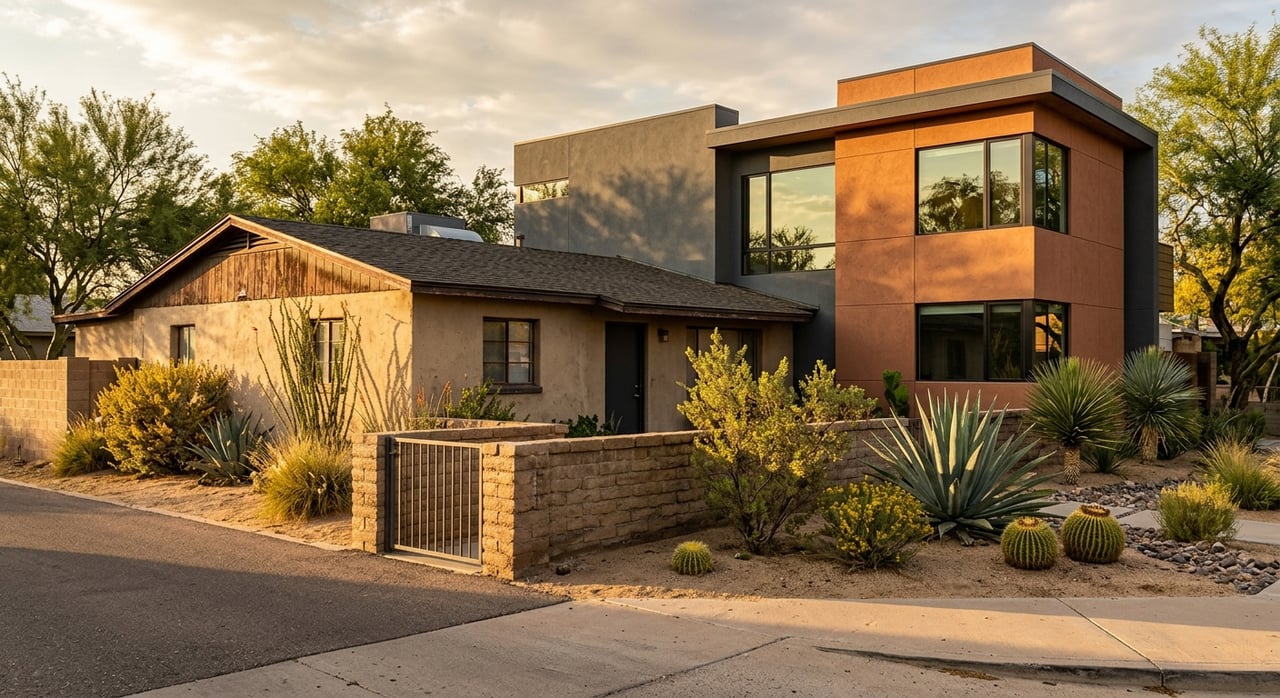
Lifestyle varies by pocket. Hillside properties near Mummy Mountain and along the Camelback corridor deliver dramatic panoramas and custom, architect-led rebuilds. On the valley floor, resort-adjacent enclaves near Mountain Shadows or along club corridors appeal to buyers who want quick access to golf, dining, and spa amenities.
If you are comparing parcels, weigh topography and view corridors against usable flat yard space and rebuild potential. A hillside lot can deliver unmatched views, while an interior acre on the valley floor often offers more flexibility for sport courts, guest houses, and large lawns.
Early starts are the norm, especially in summer. Residents often head out at sunrise for hikes on Camelback Mountain’s Echo Canyon or Cholla trails, or for quieter routes on Mummy Mountain. City guidance emphasizes early and safe starts because midday heat can be dangerous, so you will see headlamps and brisk trail traffic at first light.
After a hike or a road run, coffee and brunch become the social handoff between activity and the workday. Patio-forward spots like El Chorro and nearby resort restaurants are local rituals, whether it is a weekday meeting or a slow Saturday morning.
Midday often returns to home life. On service days, you may coordinate landscape teams or pool maintenance while guests lounge by the water. Many residents schedule tee times or tennis at Paradise Valley Country Club or book a massage at a favorite resort spa. The town’s estate design makes it easy to keep the day centered at home without feeling closed in.
Because summer afternoons heat up, shaded outdoor rooms and indoor-outdoor flexibility are essential. You may move from covered loggia to great room to keep cool, then ease back outside as the sun lowers.
Sunset is a feature, not an afterthought. Many terraces are oriented to catch the last glow on Camelback’s ridges or the soft wash over Mummy Mountain. On weeknights, you might host a casual dinner around the grill or slip out for a meal at Elements at Sanctuary. Weekends invite special-occasion dinners or a relaxed nightcap with friends under the stars.
Weekends often center on poolside entertaining, club events, or a spa day visit. Spring and fall are high-activity seasons with outdoor events, home tours, and golf. Summer adjusts the clock. Daytime plans slow, and mornings and evenings get busier to avoid peak heat. From June 15 through September 30, the North American Monsoon can bring spectacular thunderstorms and the occasional dust event, so you plan travel and outdoor entertaining with those windows in mind.
Paradise Valley’s luxury market is small but high value. Because a handful of large sales can move the numbers, different trackers show different medians. As of February 2026, Redfin reports a median sale price around $6.2 million. Other data providers that emphasize listing medians or different time frames may show different figures.
The takeaway is simple. With low inventory and few closings in any given month, medians can shift quickly and short-term comparisons are noisy. PropertyShark and other analytic sources note the impact of low transaction counts, so it is best to pair any headline number with context about lot size, view premiums, and recent custom builds. If you want hyperlocal accuracy, analyze by micro-market and attributes, not just by ZIP code.
A smart estate purchase in Paradise Valley starts with parcel-level diligence. Use this checklist to structure your process:
When you compare Paradise Valley to luxury pockets in North Scottsdale, think about priorities. Paradise Valley leans toward large lots, privacy, and close-in resort access at the base of iconic mountains. North Scottsdale features more gated, master-planned club environments with specific HOA amenity stacks and a higher share of newer, turnkey homes.
In practice, many buyers shop both. If you want wide parcels near Camelback and Mummy Mountain plus boutique resort proximity, Paradise Valley stands out. If you want a gated club lifestyle with community programming and newer product, certain Scottsdale enclaves may fit. Your best bet is to compare side by side on lot size, age, view premiums, and club or HOA fees.
Your first months on a Paradise Valley estate are often about rhythm-building. You learn which trailhead times fit your schedule and how the seasonal arc shifts your routines. By fall, you may host friends for a sunset dinner after a club round. By spring, your calendar is a mix of patio brunches, pool days, and resort dinners, with enough space at home to reset between social windows.
The common thread is control. One-acre parcels let you shape privacy, views, and how much or how little you engage with nearby hospitality. That balance is the heart of Paradise Valley living.
Ready to explore specific parcels or plan a move? For private guidance and a strategy built around your goals, connect with Taylor Smart. Get Your Free Home Valuation and a clear plan for your next step.
Stay up to date on the latest real estate trends.
Trust in him for expert guidance and unmatched market insight in Phoenix real estate. From high-value listings to strategic buying, he delivers drive, precision, and results—contact him to elevate your property goals.